

2024-09-10
A Comprehensive Guide to Galvanized Steel Pipe Dimensions Sizes and Applications
A Comprehensive Guide to Galvanized Steel Pipe Dimensions, Sizes, and Applications
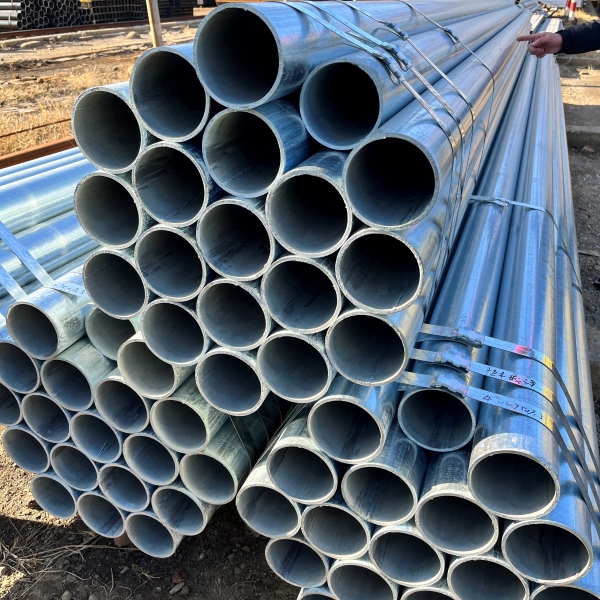
Galvanized steel pipe is a type of steel pipe that has been coated with a layer of zinc to help prevent rusting and corrosion. This layer of zinc makes the steel pipe stronger, more durable, and more resistant to rust and other types of corrosion.
In this comprehensive guide, we will explore the dimensions, sizes, and applications of galvanized steel pipe. We will also discuss its advantages, disadvantages, and how it compares to other types of steel pipes.
Dimensions of Galvanized Steel Pipe
One of the most important factors that determine the use of galvanized steel pipes is its dimensions. Galvanized steel pipes are available in various sizes and dimensions, and the size and dimensions you choose will depend on your specific application and requirements.
The dimensions of galvanized steel pipes are determined by factors such as the thickness of the steel, the size of the pipe, and the temperature and pressure requirements of the application. The most common sizes of galvanized steel pipes include 1/2 inch, 3/4 inch, 1 inch, 1 1/4 inch, 1 1/2 inch, 2 inch, 2 1/2 inch, 3 inch, 4 inch, 5 inch, 6 inch, and 8 inch.
Galvanized Steel Pipe Sizes
In addition to dimensions, galvanized steel pipes also come in different sizes. These sizes are determined by the nominal inside diameter (ID) and outside diameter (OD) of the pipe. The most common sizes of galvanized steel pipes include 1/2 inch, 3/4 inch, 1 inch, 1 1/4 inch, 1 1/2 inch, 2 inch, 2 1/2 inch, 3 inch, 4 inch, 5 inch, 6 inch, and 8 inch.
Galvanized steel pipe is a type of steel pipe that has been coated with a layer of zinc to help prevent rusting and corrosion. This layer of zinc makes the steel pipe stronger, more durable, and more resistant to rust and other types of corrosion.
In this comprehensive guide, we will explore the dimensions, sizes, and applications of galvanized steel pipe. We will also discuss its advantages, disadvantages, and how it compares to other types of steel pipes.
Dimensions of Galvanized Steel Pipe
One of the most important factors that determine the use of galvanized steel pipes is its dimensions. Galvanized steel pipes are available in various sizes and dimensions, and the size and dimensions you choose will depend on your specific application and requirements.
The dimensions of galvanized steel pipes are determined by factors such as the thickness of the steel, the size of the pipe, and the temperature and pressure requirements of the application. The most common sizes of galvanized steel pipes include 1/2 inch, 3/4 inch, 1 inch, 1 1/4 inch, 1 1/2 inch, 2 inch, 2 1/2 inch, 3 inch, 4 inch, 5 inch, 6 inch, and 8 inch.
Galvanized Steel Pipe Sizes
In addition to dimensions, galvanized steel pipes also come in different sizes. These sizes are determined by the nominal inside diameter (ID) and outside diameter (OD) of the pipe. The most common sizes of galvanized steel pipes include 1/2 inch, 3/4 inch, 1 inch, 1 1/4 inch, 1 1/2 inch, 2 inch, 2 1/2 inch, 3 inch, 4 inch, 5 inch, 6 inch, and 8 inch.
| Designator | DN | Outside Diameter | Wall Thickness |
| Designator | |||
| mm | mm | ||
| 1/2" | 15 | 21.3 | 2.77 |
| 3.73 | |||
| 4.78 | |||
| 7.47 | |||
| 6" | 150 | 168.3 | 4.78 |
| 5.56 | |||
| 6.35 | |||
| 7.11 | |||
| 7.92 | |||
| 8.74 | |||
| 9.52 | |||
| 10.97 |
GI Pipe and GI Tubing
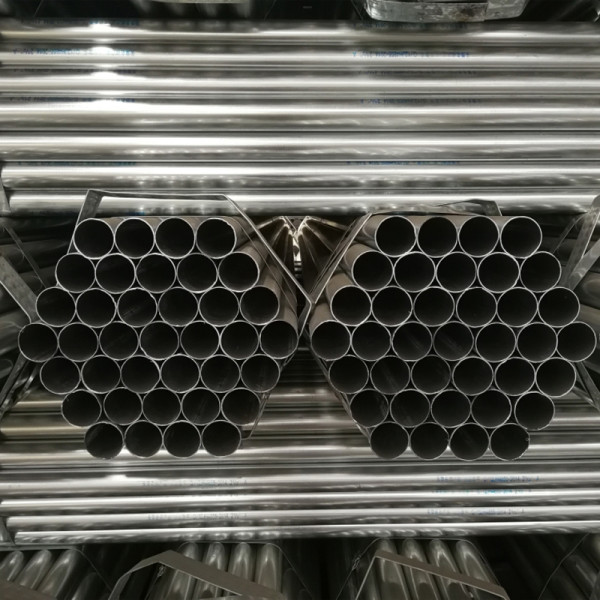
GI pipe is a term used to refer to galvanized iron pipes. GI pipes are made from steel pipes that have been coated with a layer of zinc to help prevent rusting and corrosion. GI pipes are commonly used in plumbing systems, gas pipes, drainage systems, and other applications that require a strong and durable pipe that is resistant to rust and corrosion.
GI tubing is another term used to refer to galvanized steel tubes. GI tubing is similar to GI pipes in terms of its composition and characteristics. However, GI tubing is typically smaller in size and is often used in applications where a smaller, more lightweight pipe is required.
Advantages of Galvanized Steel Pipe
Galvanized steel pipes offer numerous advantages over other types of steel pipes. One of the main advantages of galvanized steel pipes is their resistance to rust and corrosion. This makes them ideal for use in applications where the pipe will be exposed to moisture, such as plumbing systems, gas pipes, and drainage systems.
Galvanized steel pipes are also stronger and more durable than other types of steel pipes. This makes them ideal for use in applications where the pipe will be subjected to high temperatures, pressures, or heavy loads.
Disadvantages of Galvanized Steel Pipe
Despite its many advantages, galvanized steel pipes also have a few disadvantages. One of the main disadvantages of galvanized steel pipes is that they are more expensive than other types of steel pipes. This is because the process of galvanizing the steel can be costly and time-consuming.
Another disadvantage of galvanized steel pipes is that they can have variations in thickness and dimensions. This can make it difficult to ensure that the pipe will fit properly and function effectively in your specific application.
How Galvanized Steel Pipe Compares to Other Types of Steel Pipes
When compared to other types of steel pipes, galvanized steel pipes offer numerous advantages. They are stronger, more durable, and more resistant to rust and corrosion than other types of steel pipes. They are also ideal for use in applications where the pipe will be exposed to moisture or high temperatures and pressures.
However, galvanized steel pipes are more expensive than other types of steel pipes, and they can have variations in thickness and dimensions that can make it difficult to ensure a proper fit in your specific application. It is important to weigh the advantages and disadvantages of galvanized steel pipes when choosing a pipe for your specific application.
Galvanized steel pipes are strong, durable, and resistant to rust and corrosion. They are ideal for use in plumbing systems, gas pipes, drainage systems, and other applications where the pipe will be exposed to moisture or high temperatures and pressures.
To ensure that you choose the right galvanized steel pipe for your specific application, it is important to consider factors such as dimensions, sizes, and walls thickness. By choosing the right galvanized steel pipe, you can ensure that your application will function effectively and efficiently for years to come.