

2024-09-24
Indepth Look at Rectangular Steel Tube Sizes Material and Weight
When it comes to choosing the right steel tube for your next project, there are several factors to consider, including size, material, and weight. One of the most popular types of steel tubing on the market today is the rectangular tube. In this article, we will take a closer look at rectangular steel tube sizes, material options, weight considerations, and more.
1. Rectangular Tube Sizes
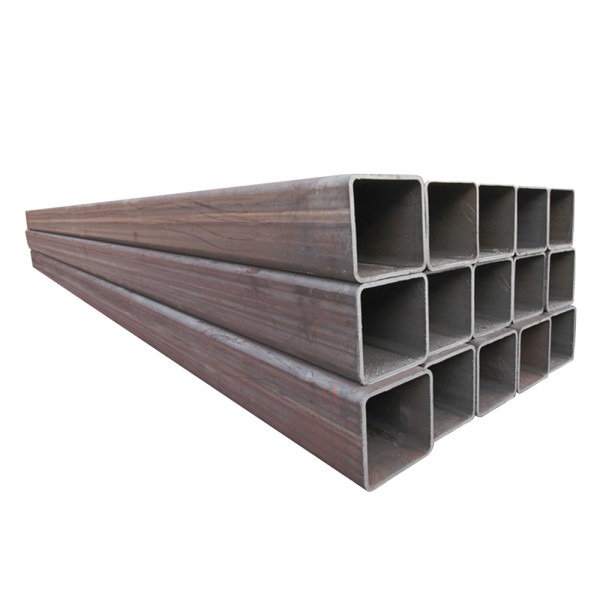
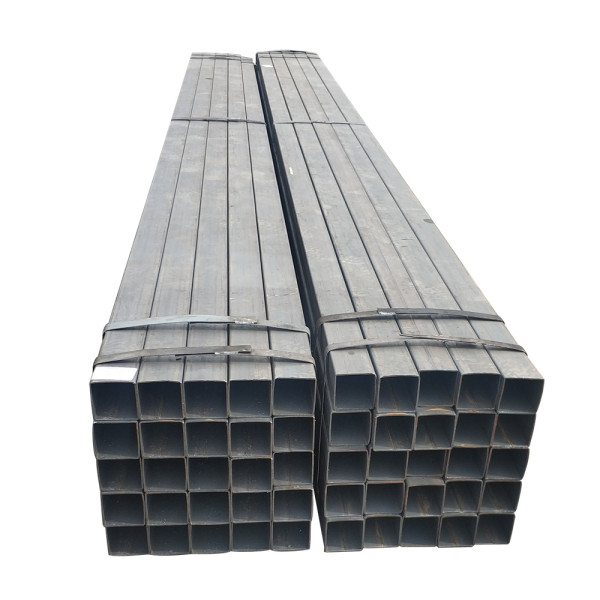
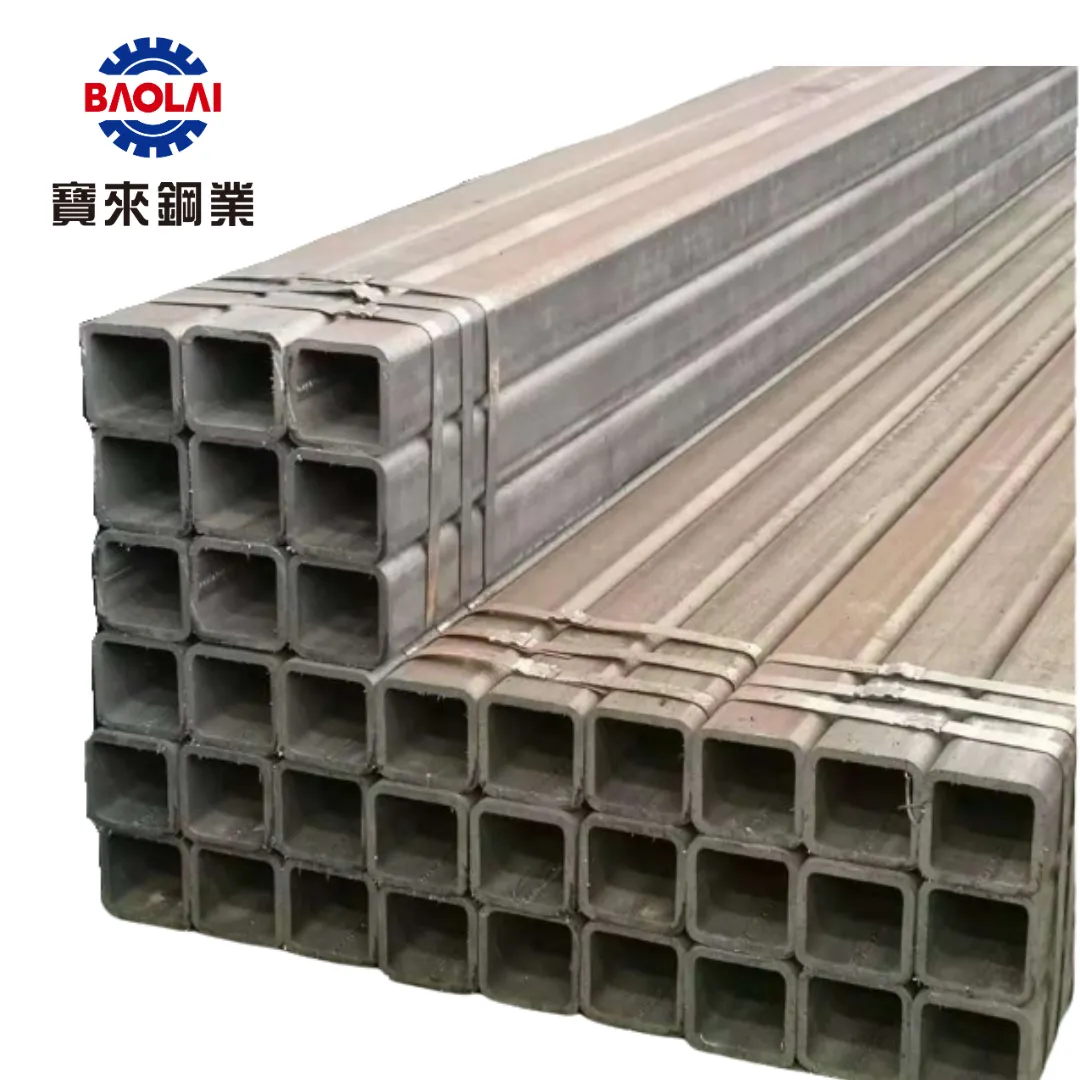
One of the most significant benefits of the rectangular tube is its versatility in sizing. Rectangular steel tube sizes can vary greatly, ranging from small square tubing for household projects to large, industrial-sized tubes for commercial or industrial applications.
Common sizes for rectangular steel tubing include:
- 2" x 3"
- 2" x 4"
- 3" x 4"
- 3" x 5"
- 4" x 6"
- 2" x 4"
- 3" x 4"
- 3" x 5"
- 4" x 6"

However, the beauty of rectangular steel tubing is that it is customizable to specific project needs. This allows for greater flexibility in design and construction.
2. Rectangular Tube Material Options
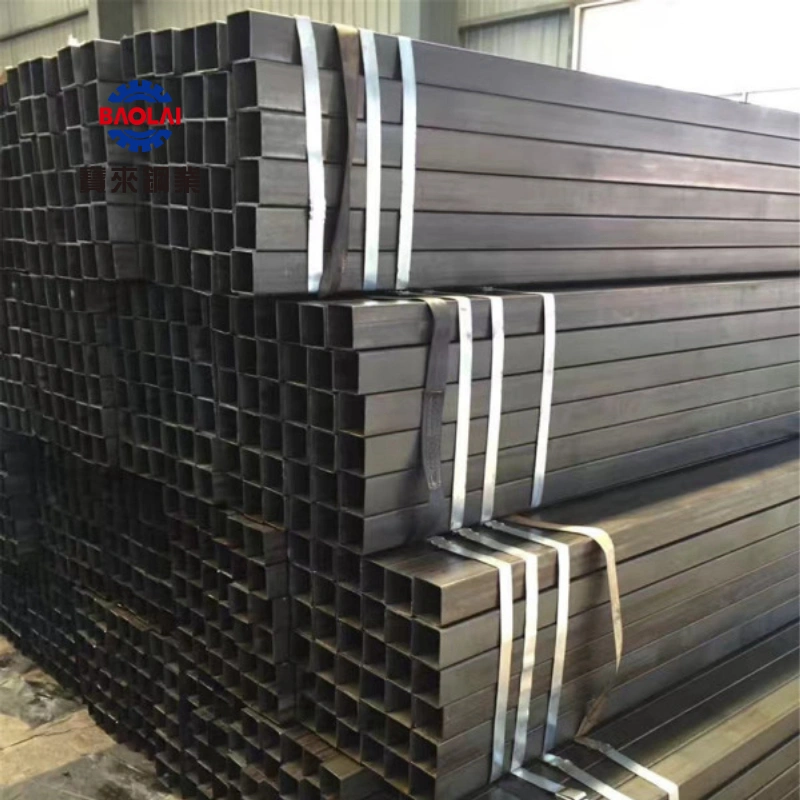
Rectangular tubes are available in various materials, each with its own advantages and limitations. The most commonly used materials for rectangular tubes are steel and carbon fiber.
Rectangular tube steel is a popular choice due to its strength, durability, and relatively low cost. It is also easily formed and welded, making it versatile for various applications.
Rectangular carbon tubes are another material option. Carbon fiber is incredibly strong and lightweight, making it an ideal choice for applications where weight is a significant factor. However, it can be more expensive than steel tubing.
Other material options for rectangular tubes include aluminum, stainless steel, and fiberglass.
3. Rectangular Tube Weight
The weight of your rectangular tube will depend on various factors, including the size and material chosen. Generally, steel rectangular tubes are heavier than carbon fiber and aluminum options.
To obtain the weight of your rectangular tube, you will need to know the length, width, and thickness of the tube. You can then use an online steel weight calculator to determine the exact weight of your rectangular tube.
4. Rectangular Tube Uses
Rectangular tubes are a popular choice for a variety of applications, ranging from construction and machinery to furniture and art. The versatility in size and material makes it an excellent choice for many different projects.
Some common uses for rectangular tubing include:
- Frames for buildings and bridges
- Support beams for machinery and equipment
- Handrails and guardrails
- Furniture frames
- Art installations
- Support beams for machinery and equipment
- Handrails and guardrails
- Furniture frames
- Art installations