

2024-09-03
How Is Seamless Pipe Made The Ultimate Guide
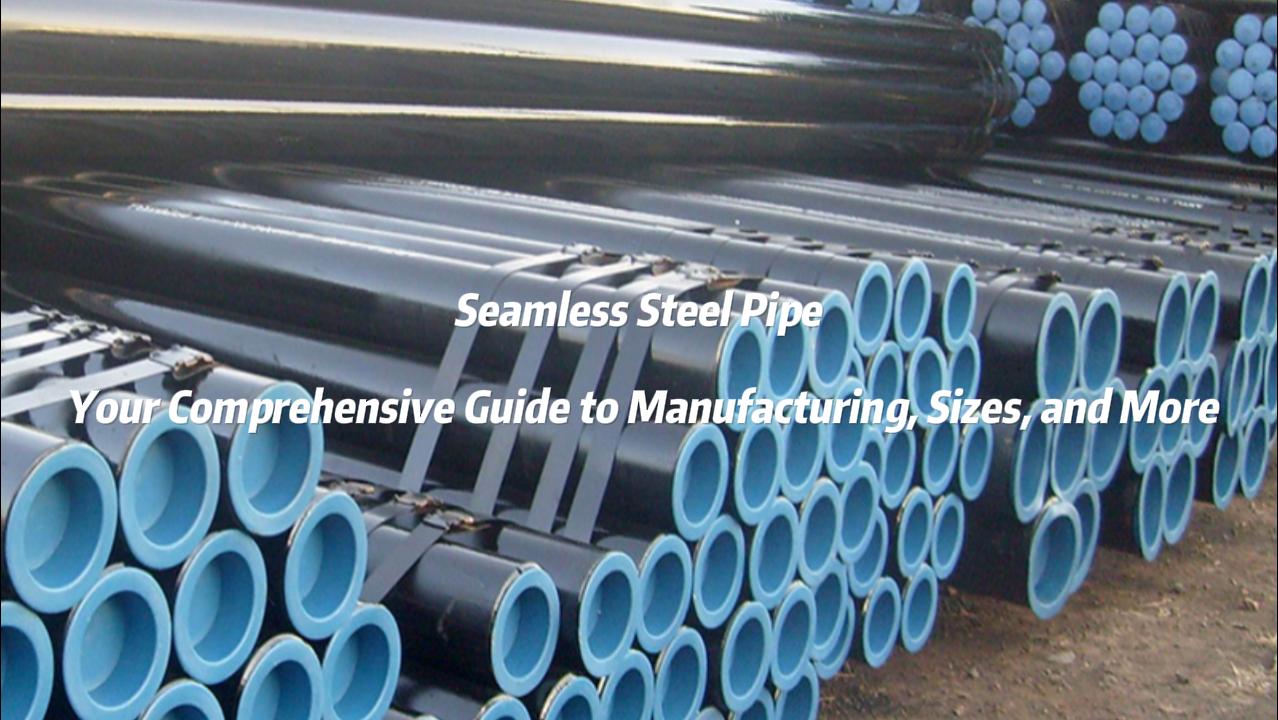
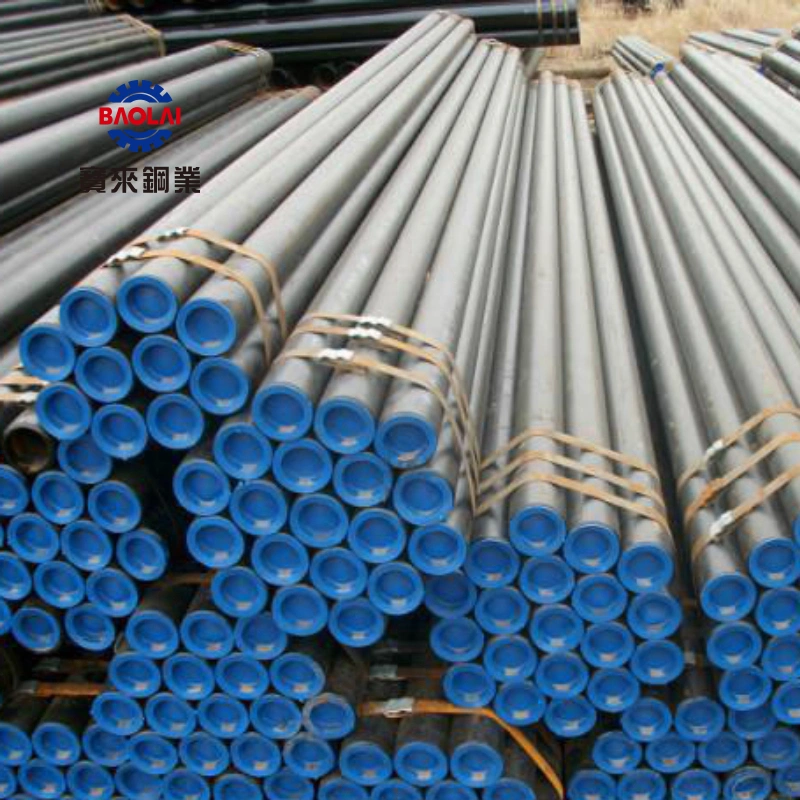
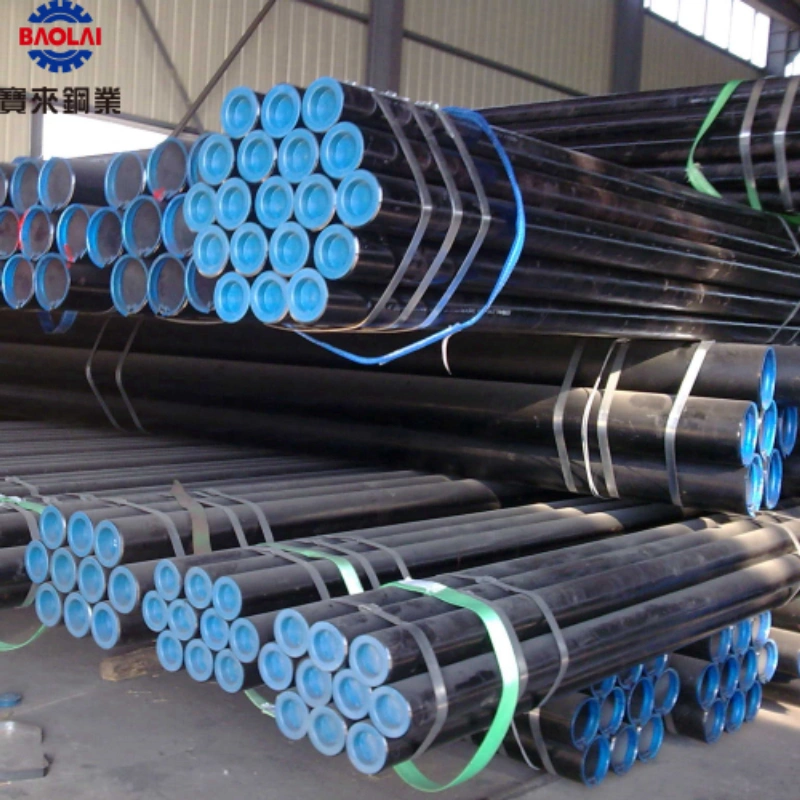
Seamless pipes, also known as seamless tubes, are widely used in various industries such as oil and gas, chemical, power generation, and more. They have a smoother interior surface and can withstand higher pressure, temperature, and mechanical stress compared to welded pipes. In this article, we will explore the manufacturing process of seamless pipes and the importance of using the right standards such as API 5L seamless pipe and A106 seamless pipe.
1. Raw Materials Selection
The first step in making seamless pipes is selecting the right raw materials. The most common materials used for seamless pipe manufacturing are carbon steel, stainless steel, and alloy steel. The chemical composition and mechanical properties of the raw materials must meet the specifications of the intended application. For example, oil and gas pipelines require high-strength materials that can resist corrosion and stress-related cracking.
2. Billet Production
After selecting the raw materials, the next step is producing the billets. Billets are semi-finished metal products that serve as the input for seamless pipe manufacturing. They are obtained by casting or forging. Casting involves pouring molten metal into a mold and letting it cool, while forging involves heating and shaping the metal through mechanical pressure. Billets are usually round or square in shape and can weigh several tons.
3. Heating and Piercing
The billets are then reheated in a furnace to a temperature of around 1200°C. This makes them more ductile and easier to work with. The heating process also reduces the likelihood of surface defects and internal cracks. Once heated, the billets are pierced by a mandrel mill. The mandrel mill consists of several rolls that rotate around a mandrel to reduce the diameter and thickness of the billet. This produces a seamless tube with a hollow center.
4. Rolling and Sizing
After piercing, the seamless tube is rolled and sized to the desired dimensions. Rolling involves passing the tube through a series of rollers that reduce its diameter and increase its length. Sizing involves passing the tube through a set of sizing rolls that give it its final dimensions and surface finish. The rolling and sizing process can either be hot or cold depending on the properties of the raw materials and the intended application.
5. Testing and Inspection
The final step in making seamless pipes is testing and inspection. A range of tests and inspections are carried out to ensure that the pipes meet the required standards and specifications. For example, mechanical tests such as tensile strength and impact toughness are conducted to check the strength and durability of the pipes. Non-destructive tests such as ultrasonic and radiographic testing are conducted to detect any defects or anomalies. Only pipes that pass all the tests and inspections are approved for use.
Conclusion
In summary, the manufacturing process of seamless pipes involves several steps such as raw materials selection, billet production, heating and piercing, rolling and sizing, and testing and inspection. API 5L seamless pipe and A106 seamless pipe are two of the most widely used standards for seamless pipe manufacturing. By using the right materials and following the right procedures, seamless pipes can provide reliable and efficient solutions for a wide range of applications.