

2024-01-17
How Seamless Pipes are Made An InDepth Look
Seamless pipes have a wide range of applications in various industries, from oil and gas to construction and infrastructure. These pipes are known for their exceptional strength, durability, and resistance to corrosion, making them a reliable choice for demanding applications.
But have you ever wondered how seamless pipes are made? In this article, we'll take an in-depth look at the manufacturing process of seamless pipes and explore the factors that contribute to their quality and performance.
Step 1: Melting and Refining
The first step in making seamless pipes is to melt the raw materials. Most commonly, this involves melting iron, along with other elements such as chromium, nickel, and molybdenum, in a furnace or electric
 arc furnace.
Once the materials have melted, they are refined to remove impurities that can weaken the final product. This process involves adding various chemicals and removing slag and other debris from the molten metal.
Step 2: Casting
After the raw materials have been melted and refined, they are cast into billets or blooms. These are large blocks of metal that will be rolled and shaped into the final product.
Depending on the manufacturing process, the billets may be cast through a continuous casting process, which involves pouring the molten metal into a series of molds to create a continuous strand of metal. Alternatively, they may be cast through a traditional casting process, which involves pouring the molten metal into a single mold to create a solid block.
Step 3: Heating and Rolling
Once the billets or blooms have been cast, they are heated to high temperatures to make them malleable. This is typically done in a furnace or by using an induction heater.
Once the metal has reached the desired temperature, it is fed through a rolling mill. This mill contains a series of rollers that gradually reduce the thickness and shape the metal into a pipe. The rollers are carefully designed to ensure that the metal is evenly compressed and shaped, which is crucial for creating a strong and durable final product.
Step 4: Finishing
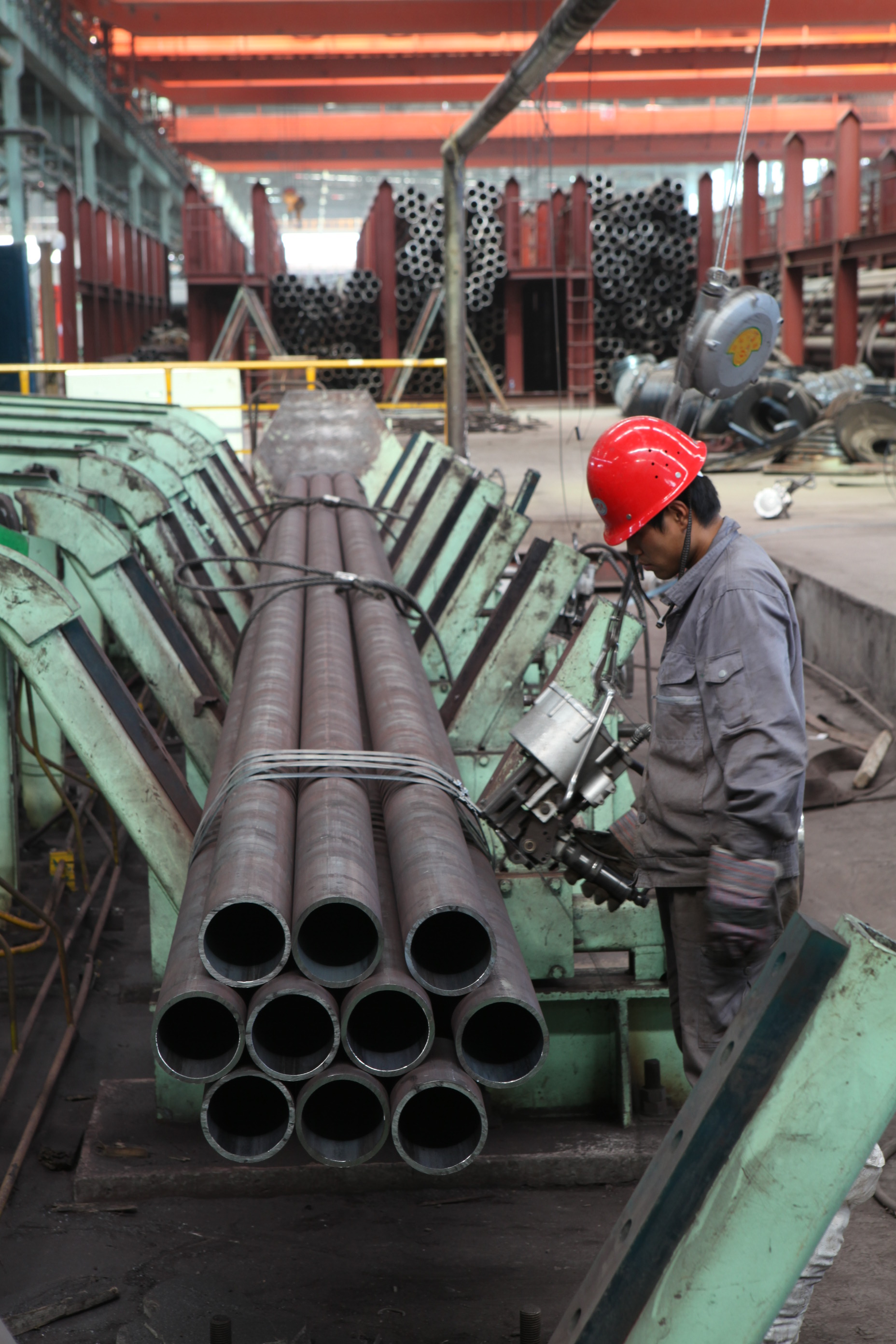
After the pipe has been shaped and compressed, it goes through a final finishing process. This can involve several steps, including heat treatment, straightening, and cutting.
Heat treatment involves subjecting the pipe to high temperatures to improve its strength, hardness, and resistance to corrosion. Straightening is done to ensure that the pipe is uniformly straight and free of any curves or bends. Cutting involves cutting the pipe to the desired length and removing any excess material.
Quality control Considerations
Throughout the manufacturing process, several critical quality control considerations must be taken into account. For example, the billets or blooms must be carefully inspected for defects such as cracks or voids that can weaken the final product.
Additionally, the heat treatment process must be carefully controlled to ensure that the pipe is not subjected to temperatures that are too high or too low. The rolling mill must also be carefully adjusted to ensure that the metal is evenly compressed and shaped.
If you choose Baolai seamless pipes, no more worries. We have a strict quality control system, providing top-notch seamless tubes.
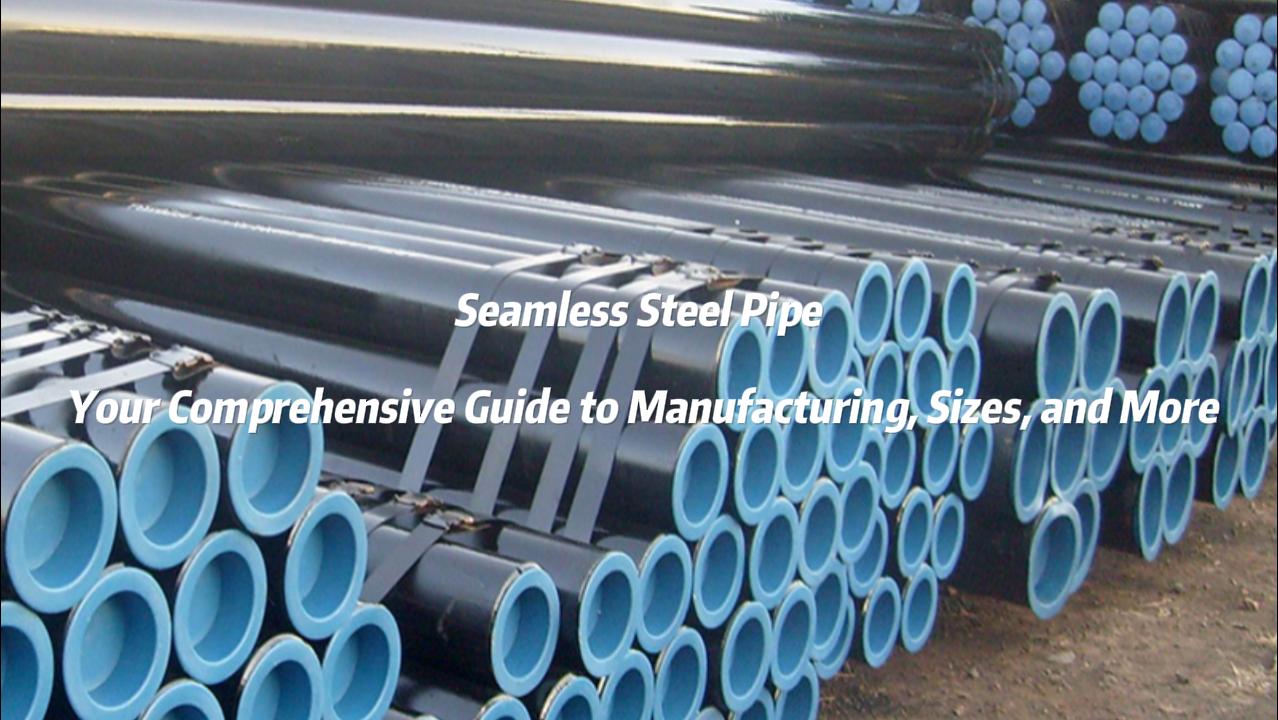
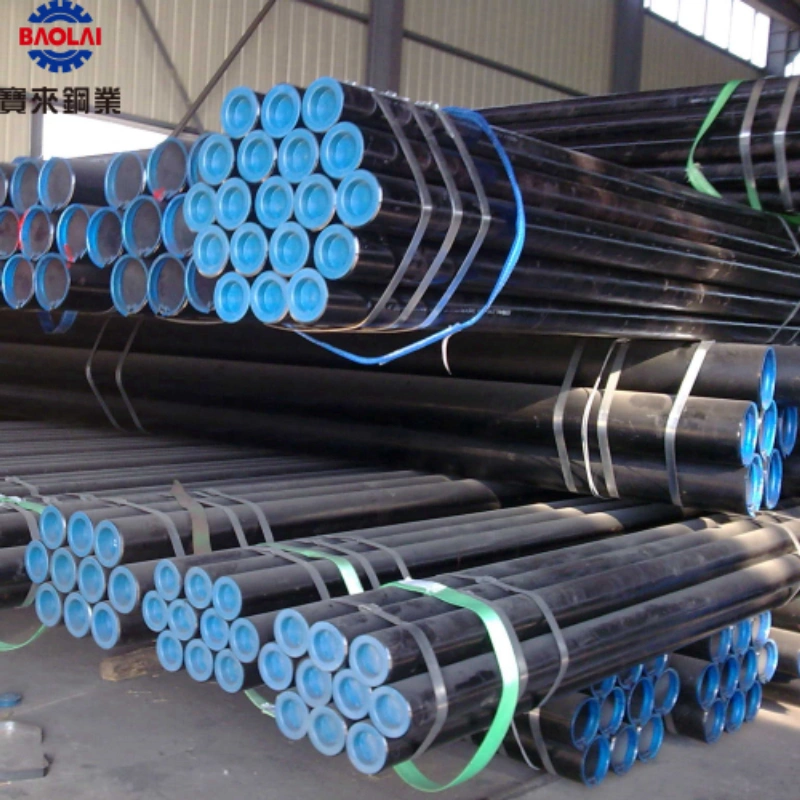
Here are part of Baolai smls tube products:
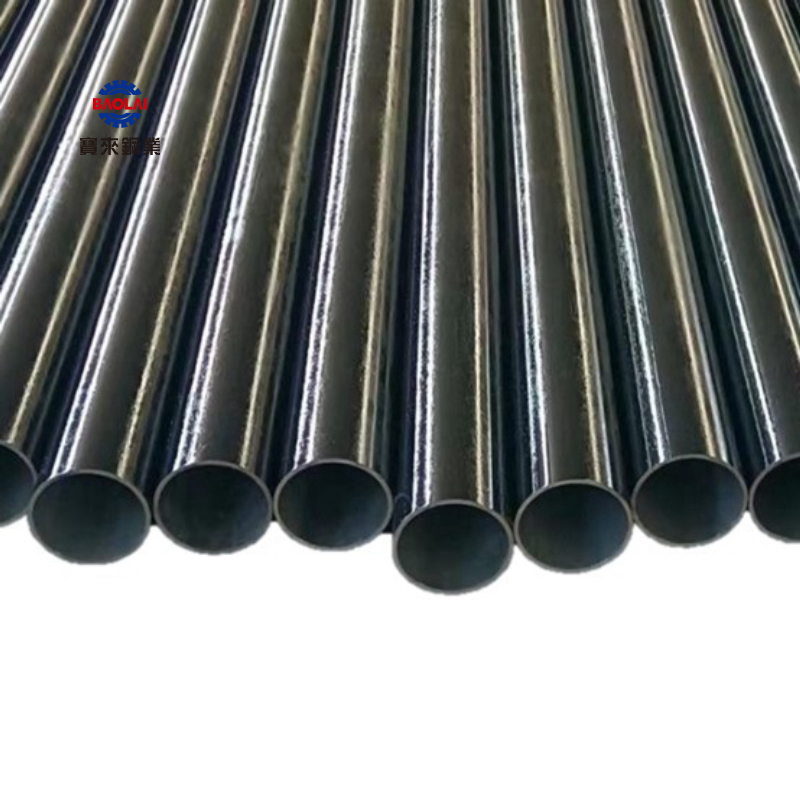
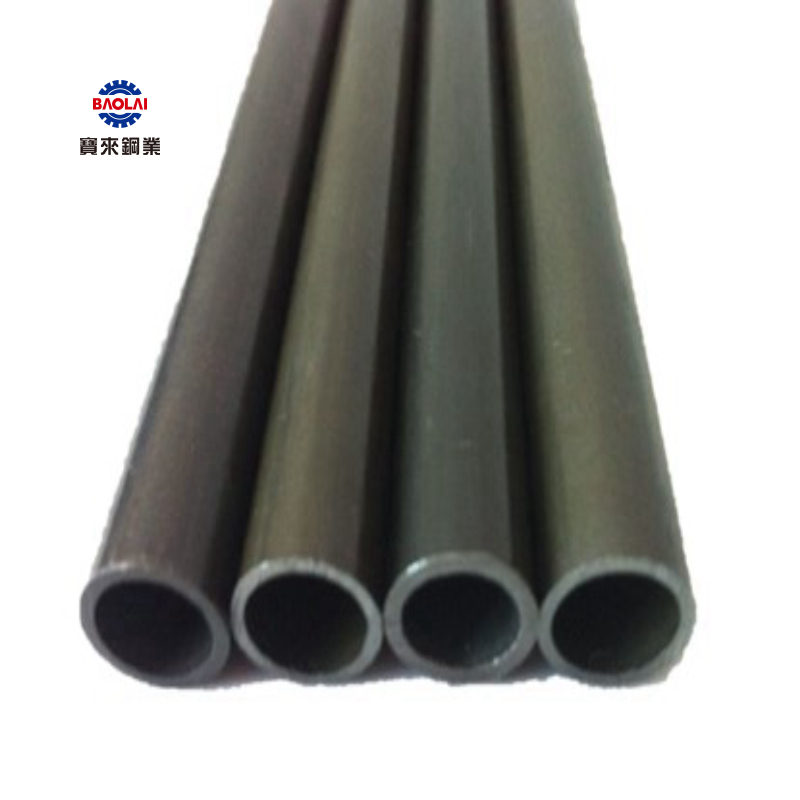
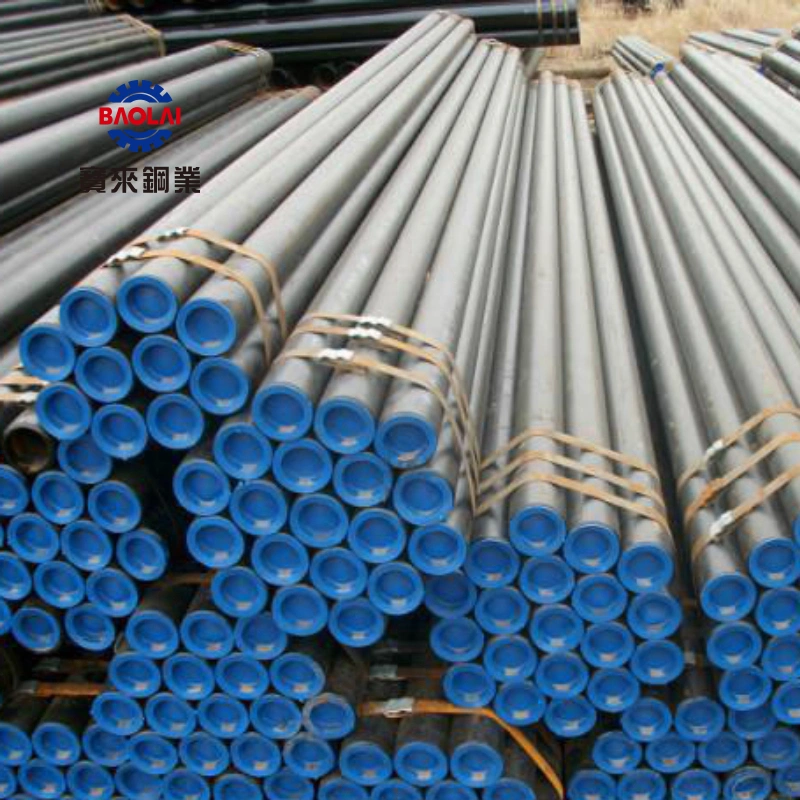
Seamless pipes are an essential component of many industries, and their strength, durability, and resistance to corrosion make them a reliable choice for demanding applications. Understanding how these pipes are made is essential for evaluating their quality and performance and ensuring that they meet the specifications required for your project. By following the manufacturing process outlined above and taking care to implement rigorous quality control measures, manufacturers can create seamless pipes that meet the highest standards of quality and durability.
As leading seamless pipe supplier in China, Baolai is your best choice.