

2024-07-24
Overview of fire protection pipe
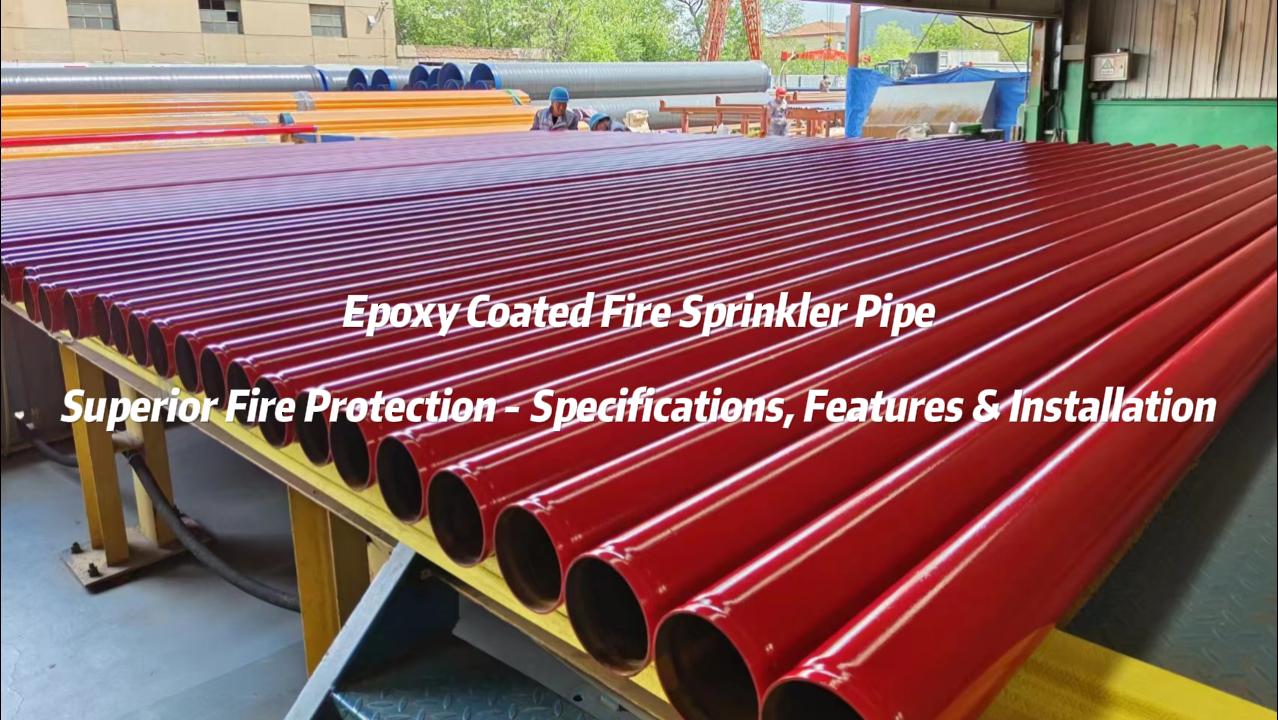
As the old saying goes, "prevention is better than cure." This is especially true when it comes to fire protection. Installing a reliable fire protection system in buildings is of utmost importance to prevent catastrophic events. One crucial component of any fire protection system is the fire protection pipe.
Fire protection pipes come in a variety of sizes and materials, with different fittings to fit specific needs. Choosing the right size and material for your fire protection pipe is critical in ensuring the system is reliable and effective.
Fire protection pipe size is a critical factor to consider, as it determines the water flow rate needed to fight a fire. Most fire protection systems use pipe sizes ranging from half an inch to six inches in diameter. The size of the pipe is dictated by factors such as the building's size, occupancy classification, and the estimated amount of water needed to extinguish a fire. A properly sized fire protection pipe ensures that the system will deliver the necessary water at an adequate rate to extinguish a fire effectively.
The material used in fire protection pipes is also crucial. The most common materials used in fire protection pipes are steel, copper, and plastic. Steel pipes are the best choice for high-rise buildings, as they offer high durability and can withstand high-pressure systems. Copper pipes are a great option for smaller buildings and residential structures, as they are corrosion-resistant and can provide good water flow rates. Plastic pipes, on the other hand, are a cost-effective option for low-pressure systems and smaller structures.
Fire protection pipes come in a variety of sizes and materials, with different fittings to fit specific needs. Choosing the right size and material for your fire protection pipe is critical in ensuring the system is reliable and effective.
Fire protection pipe size is a critical factor to consider, as it determines the water flow rate needed to fight a fire. Most fire protection systems use pipe sizes ranging from half an inch to six inches in diameter. The size of the pipe is dictated by factors such as the building's size, occupancy classification, and the estimated amount of water needed to extinguish a fire. A properly sized fire protection pipe ensures that the system will deliver the necessary water at an adequate rate to extinguish a fire effectively.
The material used in fire protection pipes is also crucial. The most common materials used in fire protection pipes are steel, copper, and plastic. Steel pipes are the best choice for high-rise buildings, as they offer high durability and can withstand high-pressure systems. Copper pipes are a great option for smaller buildings and residential structures, as they are corrosion-resistant and can provide good water flow rates. Plastic pipes, on the other hand, are a cost-effective option for low-pressure systems and smaller structures.
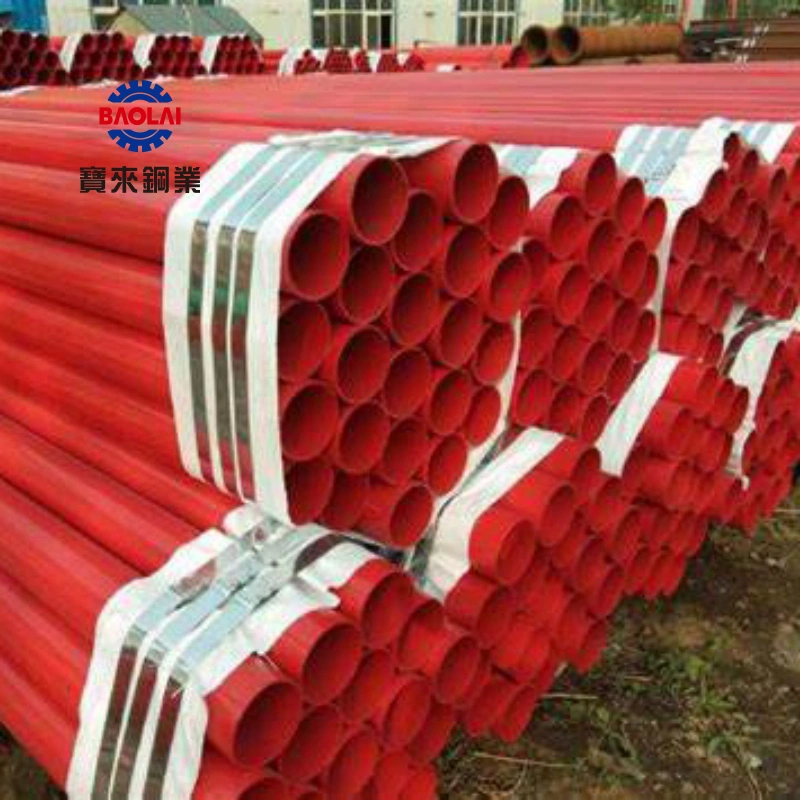
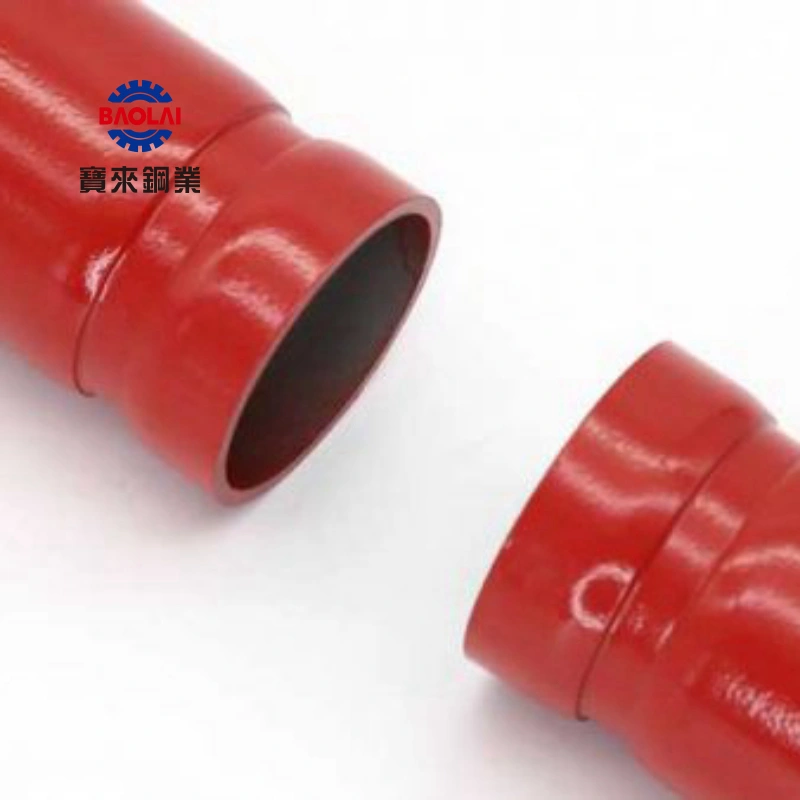
Fire protection pipe fittings are necessary for connecting pipes, valves, and other components in the fire protection system. These fittings come in different types and sizes, including elbow fittings, tee fittings, and coupling fittings. It is essential to choose the right fitting for the specific needs of the system, as an improperly fitted system can lead to leaks, reduced water flow rates, and system failure.
Fire protection pipes are an essential component of any fire protection system. Properly sizing and choosing materials and fittings are crucial in ensuring the system is reliable and effective. When installing a fire protection system, always consult with a professional to ensure your system meets all fire protection codes and standards.