

2024-10-01
Seamless vs Welded Pipe Which is Better for Your Project
When it comes to choosing the right pipe for your project, the decision between seamless and welded pipe can be a significant one. Both have their advantages and disadvantages, so it's crucial to choose the right option for your specific needs. In this article, we'll take a closer look at the differences between seamless and welded pipe, and help you decide which one is right for your project.
1. What is Seamless Pipe?
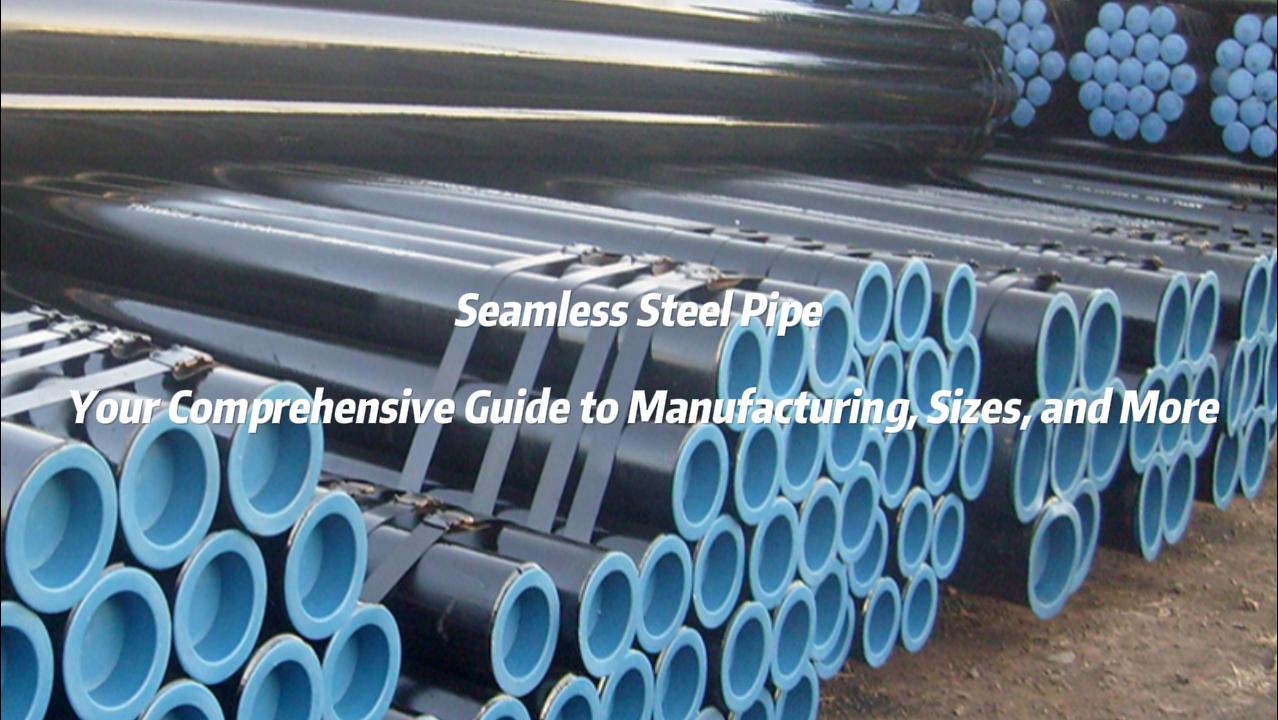
Seamless pipe is made from a solid cylindrical steel billet that is heated and pierced to create a hollow shell. This shell is then rolled and stretched until it reaches its desired length and diameter. Because the entire process of creating seamless pipe is done without any welding or joining, it is considered to be one of the strongest and most durable types of steel pipe.
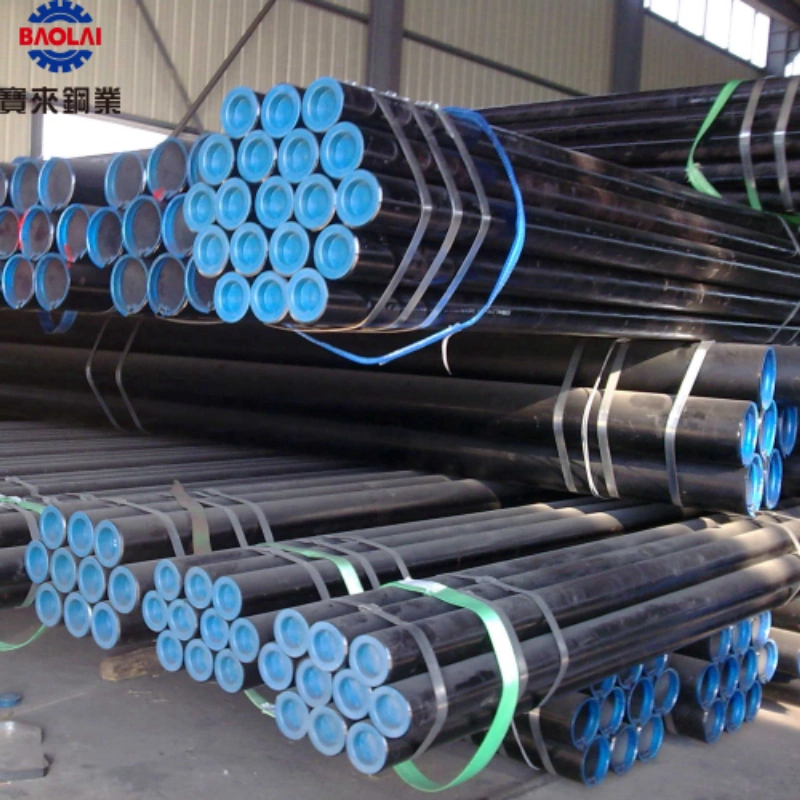

Benefits of Seamless Pipe
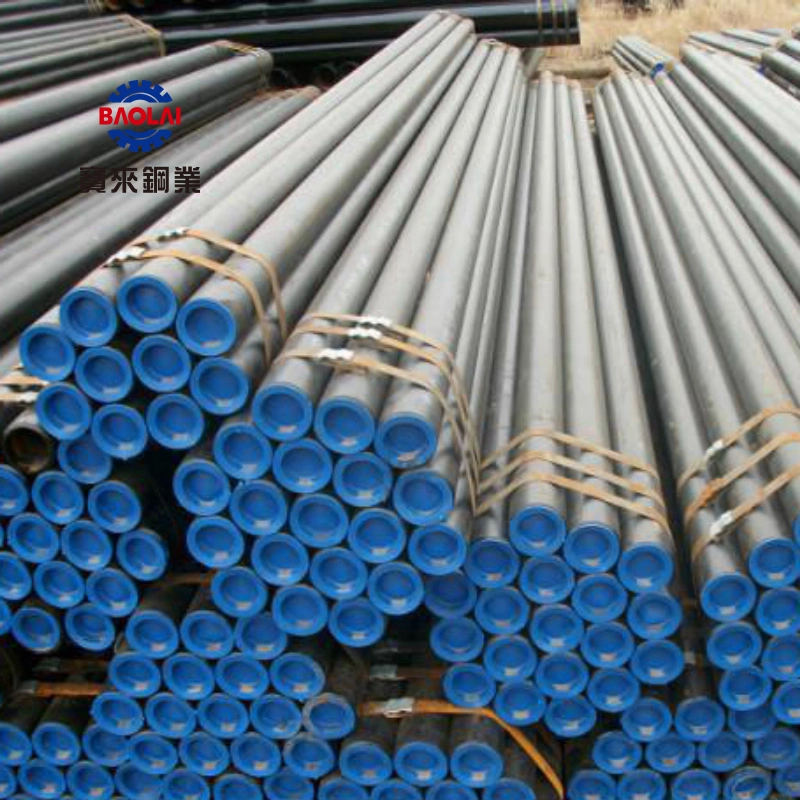
One of the main benefits of seamless pipe is its strength. Because it is made from a single piece of steel, seamless pipe is less likely to fail or break under pressure than welded pipe. It is also highly resistant to corrosion, which makes it an excellent choice for use in harsh environments.
Seamless pipe also offers a smoother interior surface than welded pipe, which can make it ideal for use in applications that require high flow rates or are sensitive to fluid friction. Additionally, because there are no joints or seams in seamless pipe, it is less likely to leak over time, leading to greater reliability and longevity.
2. What is Welded Pipe?
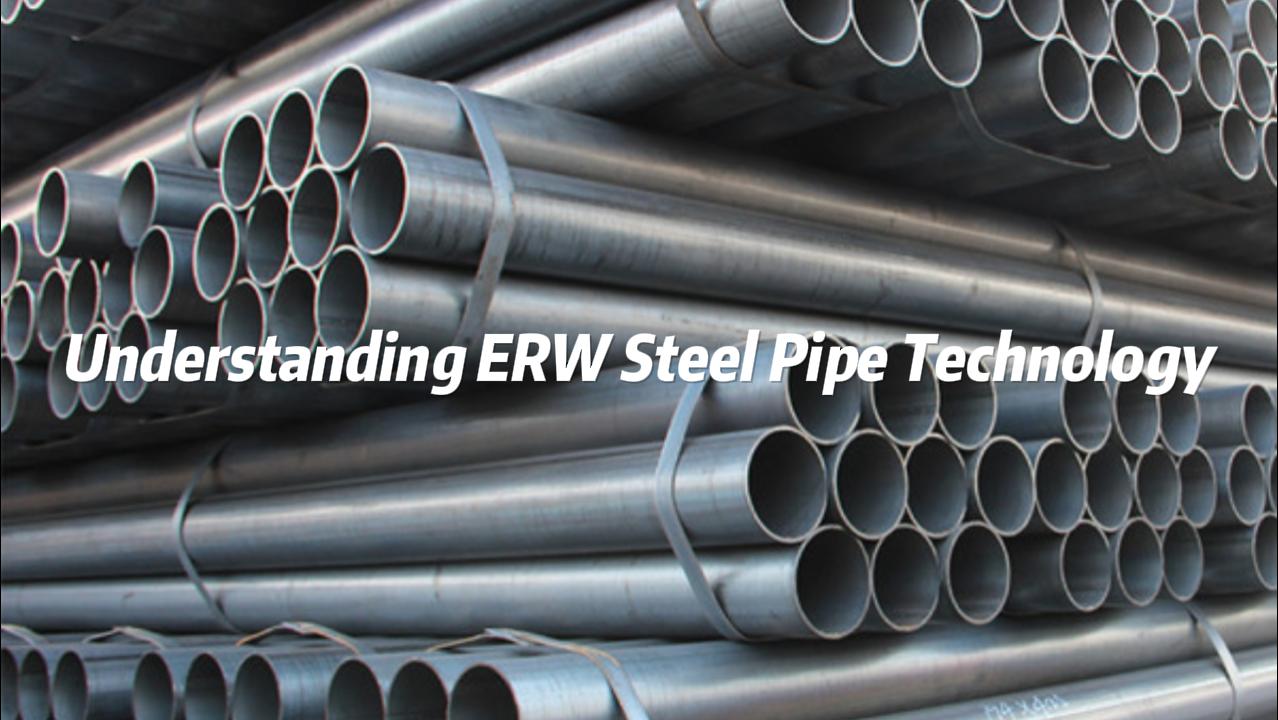
Welded pipe, as the name suggests, is made by welding together two or more pieces of steel. This process can be done using a variety of methods, including arc welding, resistance welding, or laser welding. The resulting pipe is stronger than its individual components, but it can be more susceptible to failure under pressure or stress.
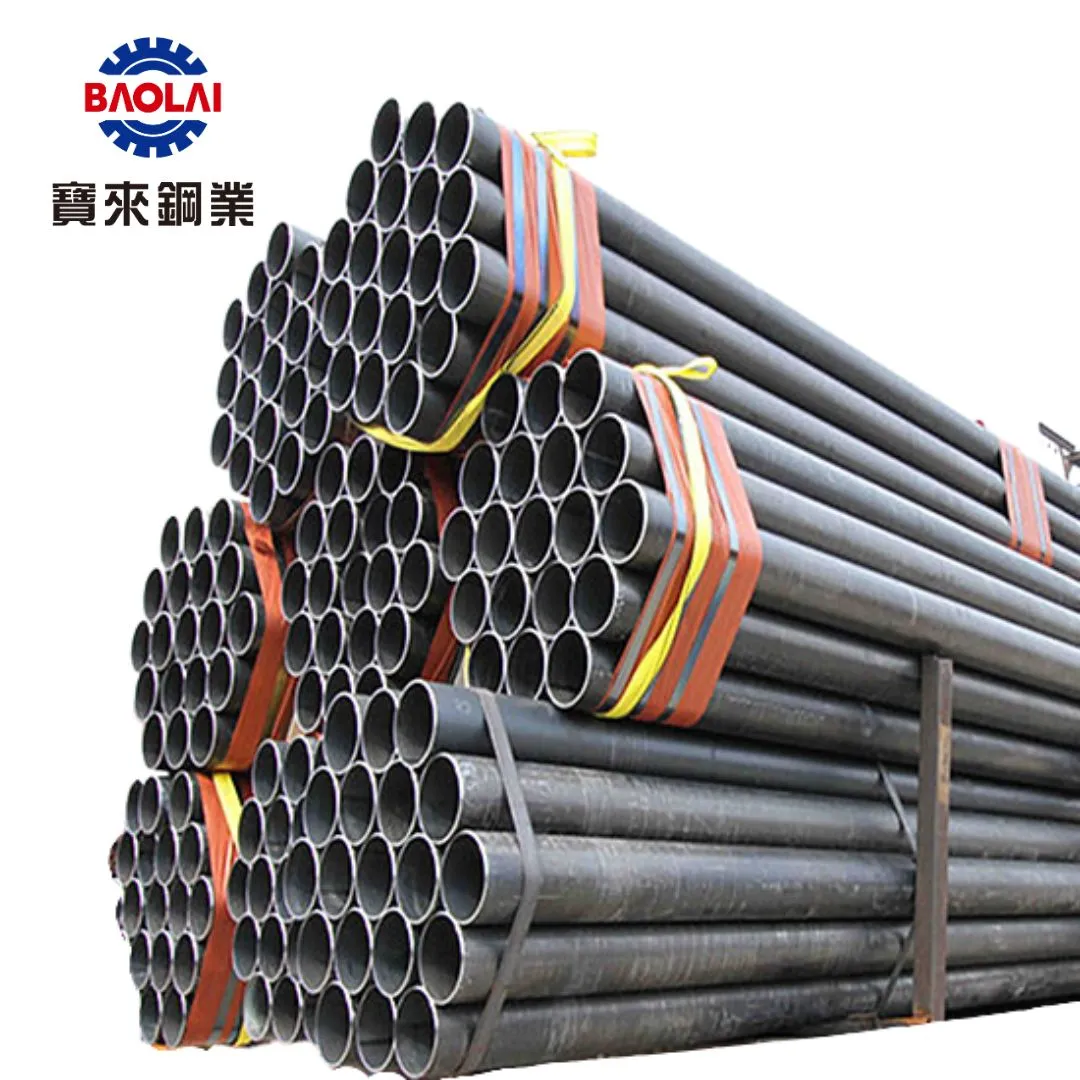

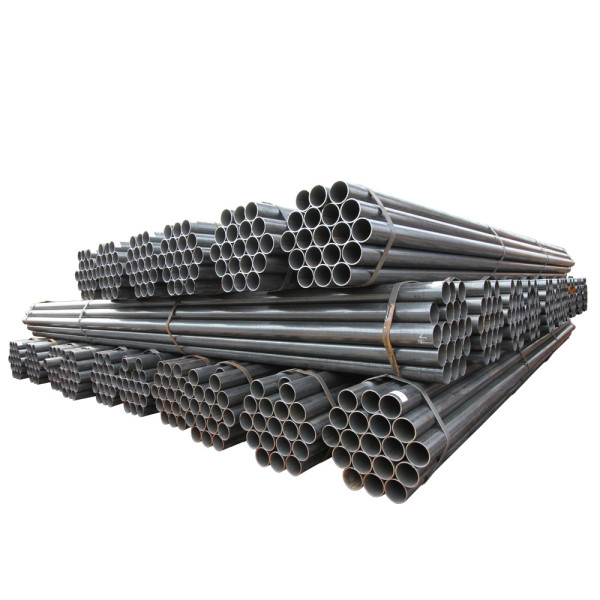
Benefits of Welded Pipe
Welded pipe is often used in situations where strength and durability are key considerations. It is also less expensive than seamless pipe, making it an attractive option for many applications. Welded pipe can be produced in large quantities, which makes it an excellent choice for use in industries that require high volumes of steel pipe.
Welded pipe is also available in a wide variety of sizes, shapes, and thicknesses, making it highly versatile and adaptable to a range of different applications. Additionally, because welded pipe is made by joining multiple pieces of steel together, it can be customized to meet specific project requirements.
3. Which is Better for Your Project?
Ultimately, the choice between seamless and welded pipe will depend on the specific needs of your project. If strength and reliability are your top priorities, seamless pipe may be the better option. However, if cost and versatility are more important considerations, welded pipe may be the way to go.
It's also important to consider the type of environment in which your pipe will be used. Seamless pipe is highly resistant to corrosion, making it an excellent choice for use in harsh or corrosive environments. Welded pipe, on the other hand, may be more susceptible to corrosion over time, particularly if it is exposed to moisture or chemicals.
In conclusion, both seamless and welded pipe have their advantages and disadvantages, and the right choice will depend on your specific project requirements. By taking the time to carefully consider your options and weigh the pros and cons, you can choose the right type of pipe for your project and ensure its success.