

2024-03-11
Types of Steel Pipes A Comprehensive Guide
Types of Steel Pipes: A Comprehensive Guide
Steel pipes, also known as steel tubing, are a crucial component in many industries ranging from construction to manufacturing. Steel pipes come in different types, each with unique characteristics, making them suitable for different applications. In this article, we’ll discuss the various types of steel pipes available in the market.
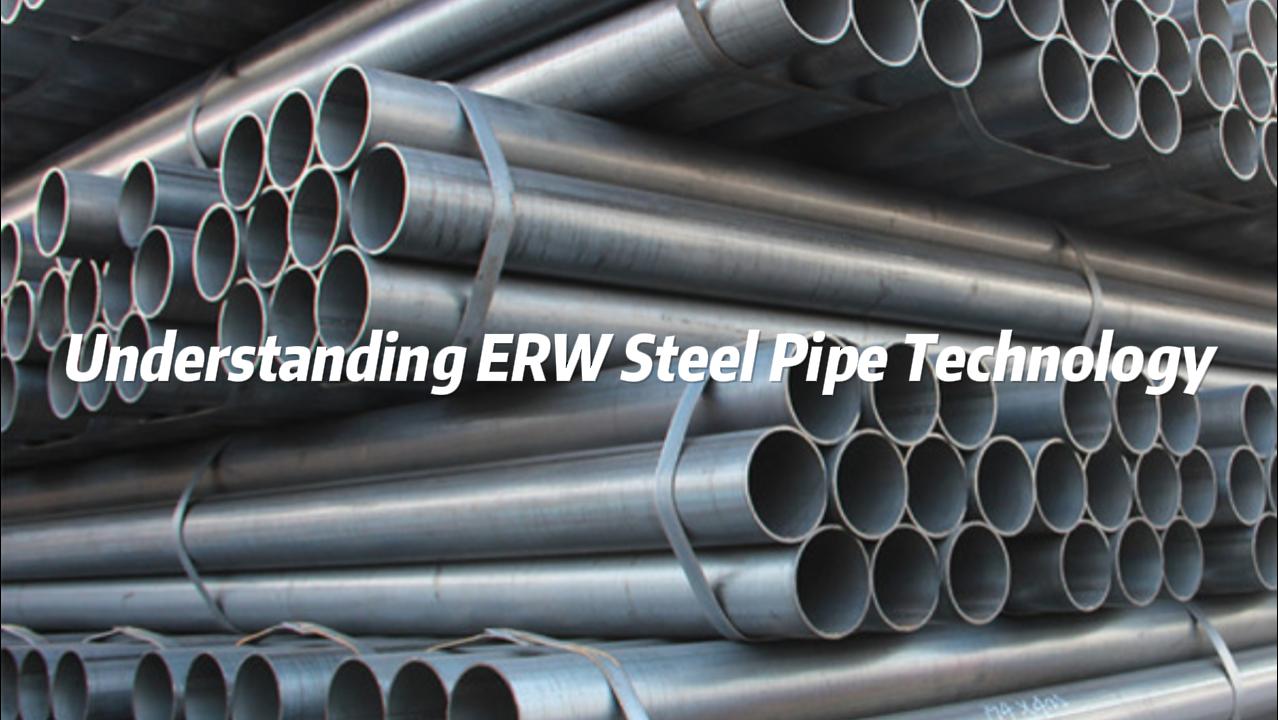
1. Welded Steel Pipes
Welded steel pipes are made by welding flat steel pieces together to form a tube. The welding process can be done using different methods such as Electric Resistance Welding (ERW), Submerged Arc Welding (SAW), and Gas Tungsten Arc Welding (GTAW). Welded steel pipes are stronger and more cost-effective than seamless pipes, making them the most commonly used type of steel pipe in industry.
Steel pipes, also known as steel tubing, are a crucial component in many industries ranging from construction to manufacturing. Steel pipes come in different types, each with unique characteristics, making them suitable for different applications. In this article, we’ll discuss the various types of steel pipes available in the market.
1. Welded Steel Pipes
Welded steel pipes are made by welding flat steel pieces together to form a tube. The welding process can be done using different methods such as Electric Resistance Welding (ERW), Submerged Arc Welding (SAW), and Gas Tungsten Arc Welding (GTAW). Welded steel pipes are stronger and more cost-effective than seamless pipes, making them the most commonly used type of steel pipe in industry.
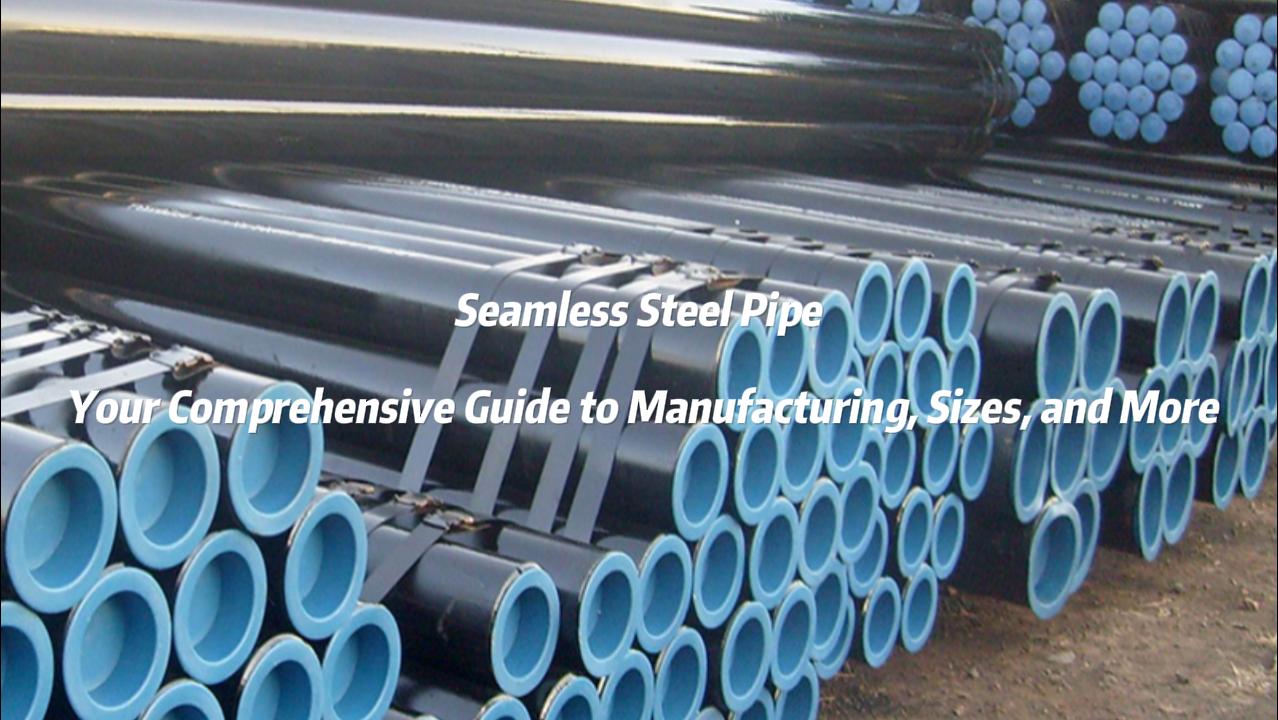
2. Seamless Pipes
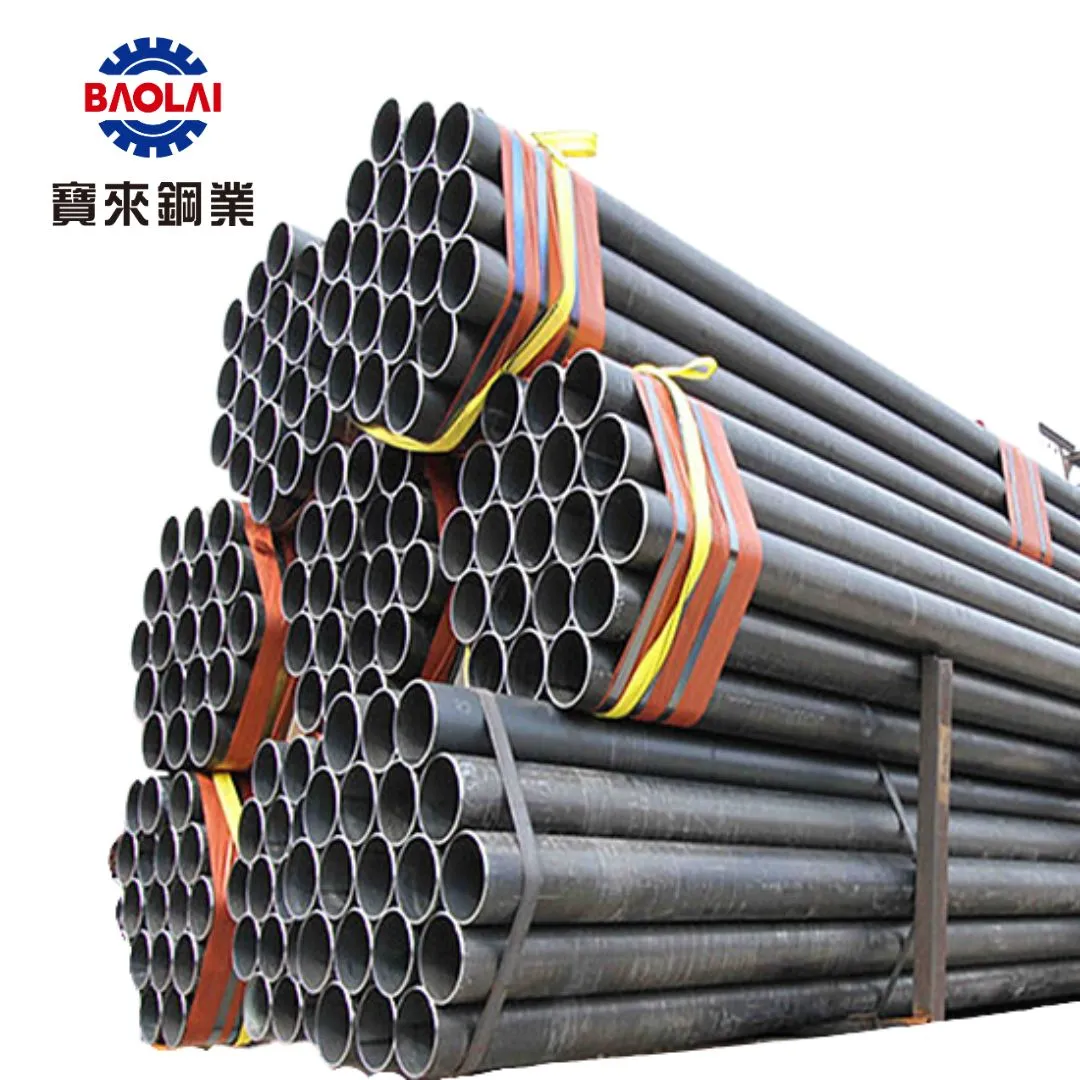
Seamless pipes, as the name suggests, are manufactured without any welding. They are made by piercing a solid steel billet to create a hollow tube. Seamless pipes are generally preferred in applications that require high pressure, high temperature, or corrosive environments. They also have a smoother surface finish and are more uniform in their dimensions compared to welded pipes.
3. Carbon Steel Pipes
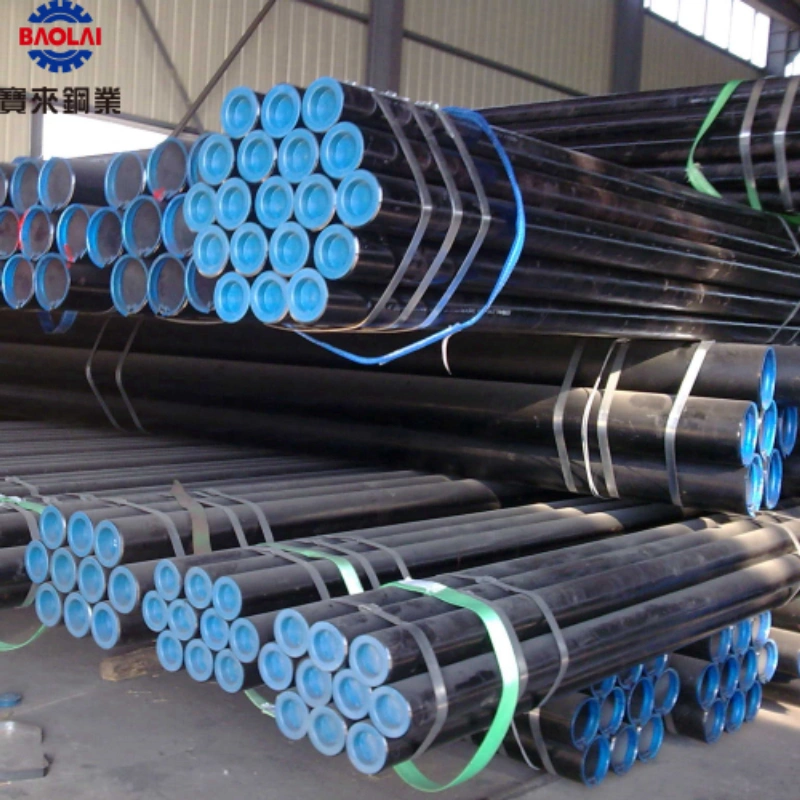
Carbon steel pipes are made of carbon steel, which contains carbon as the primary alloying element. These pipes are usually used in applications that require high strength, but they are also susceptible to corrosion. Carbon steel pipes are also relatively inexpensive, making them a popular choice for large-scale construction projects.
4. Stainless Steel Pipes
Stainless steel pipes are made of an alloy consisting of at least 10.5% chromium, which gives them excellent corrosion resistance. They are commonly used in applications where durability and hygiene standards are crucial, such as food processing, chemical processing, and pharmaceuticals.
5. Galvanized Steel Pipes
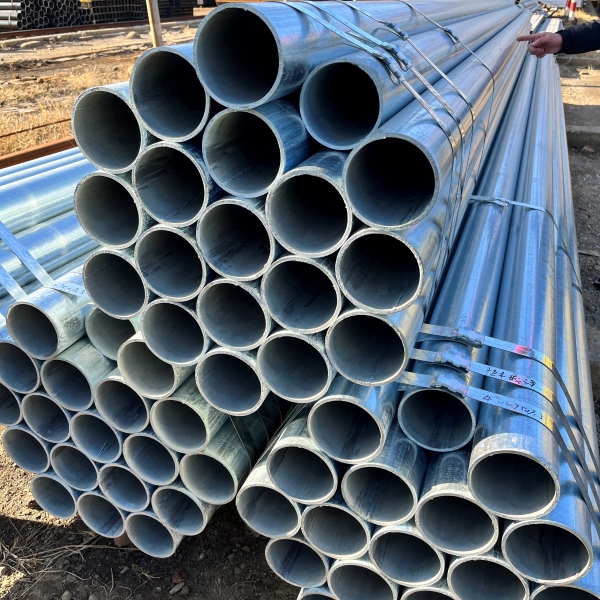
Galvanized steel pipes are coated with a layer of zinc to protect them from rust and corrosion. These pipes are commonly used in outdoor applications, including fencing, water supply, and structural support. Galvanized steel pipes are also popular in plumbing systems.
6. Alloy Steel Pipes
Alloy steel pipes are made by combining different elements, including chromium, nickel, and molybdenum, among others, to create a steel with superior strength and corrosion resistance. Alloy steel pipes are used in applications that require high strength, such as pipelines in the oil and gas industry.
In conclusion, steel pipes come in different types, each with unique properties and applications. Choosing the right type of steel pipe is crucial to ensuring the success of any project. Whether you need pipes for construction, oil and gas, or plumbing, there is a type of steel pipe that is perfect for your needs.