

2024-10-15
Understanding the Key Differences between Hot Rolled and Cold Rolled Steel Coil
Steel is a versatile material with countless applications in various industries, including construction, automotive, and manufacturing. Steel coils, in particular, are widely used in many applications, ranging from simple household appliances to industrial machinery. The process used to create these coils can significantly impact their final properties, such as strength, durability, and surface quality. This article will explore the key differences between hot-rolled and cold-rolled steel coil, two of the most common production methods for producing steel coils.
Hot Rolled Steel Coil
Hot rolling is a production process that involves heating steel at extremely high temperatures and then rolling it into a coil shape using a series of rollers. In this process, heated steel is first passed through a set of rollers to break down the large ingot into smaller, more manageable pieces. These pieces are then heated to over 1,000 degrees Celsius and passed through a series of rollers to flatten and shape them into coils.
Hot-rolled steel coils are known for their rough, uneven surface texture, which is a result of the high heat and pressure applied during the rolling process. This texture is ideal for applications that do not require a visually appealing surface, as it provides the steel with excellent strength and durability. Hot-rolled steel coils are also more malleable than cold-rolled steel, making them easier to shape and manipulate during the manufacturing process.
Hot Rolled Steel Coil
Hot rolling is a production process that involves heating steel at extremely high temperatures and then rolling it into a coil shape using a series of rollers. In this process, heated steel is first passed through a set of rollers to break down the large ingot into smaller, more manageable pieces. These pieces are then heated to over 1,000 degrees Celsius and passed through a series of rollers to flatten and shape them into coils.
Hot-rolled steel coils are known for their rough, uneven surface texture, which is a result of the high heat and pressure applied during the rolling process. This texture is ideal for applications that do not require a visually appealing surface, as it provides the steel with excellent strength and durability. Hot-rolled steel coils are also more malleable than cold-rolled steel, making them easier to shape and manipulate during the manufacturing process.
Cold Rolled Steel Coil
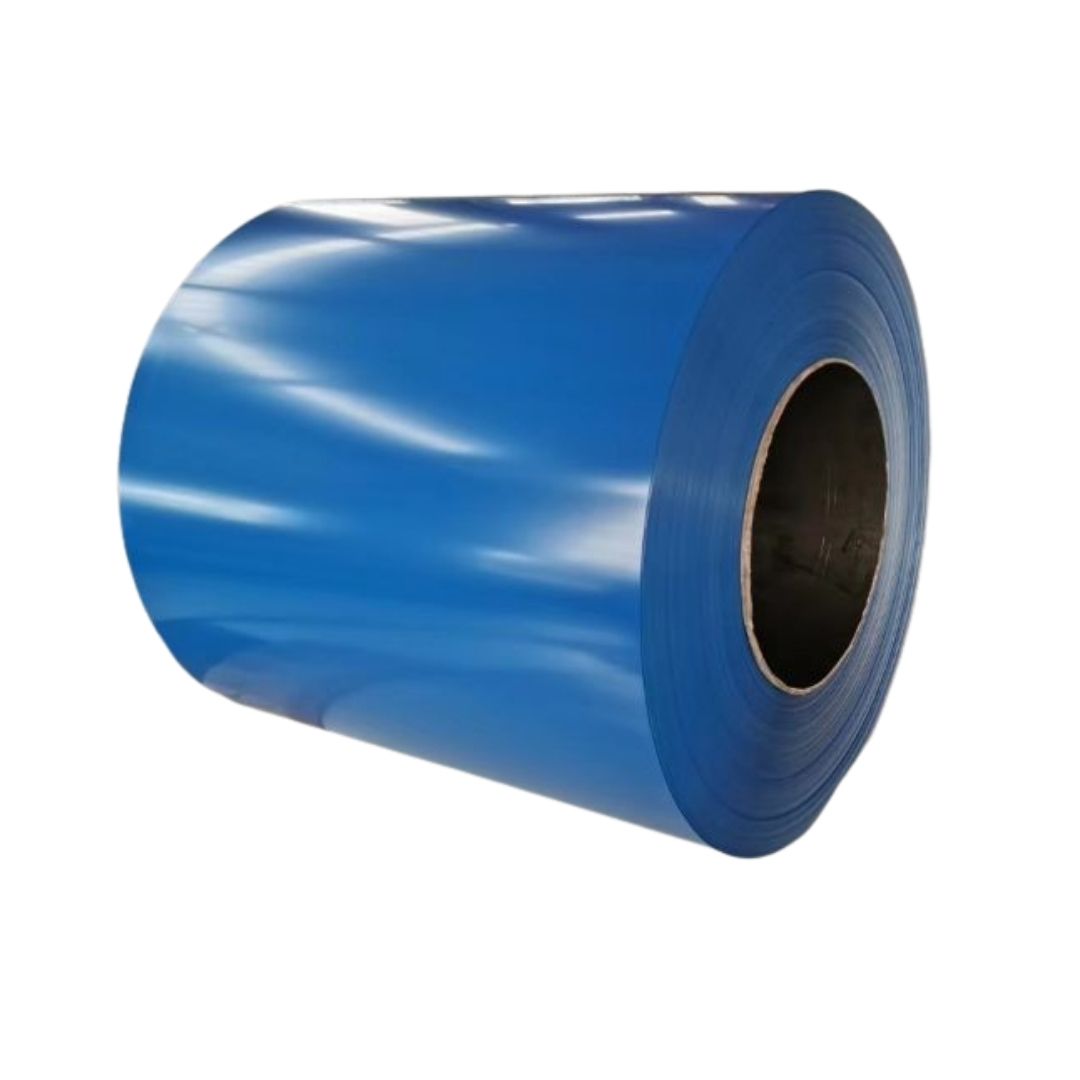
Cold rolling is a production process that involves rolling steel at room temperature, which is significantly lower than the temperatures used in hot rolling. In cold rolling, the steel is first passed through a set of rollers to reduce its thickness. These rollers apply pressure to the steel, forcing it to pass through small gaps between them, resulting in a thinner and more uniform sheet.
Cold-rolled steel coils are known for their smooth, consistent surface texture, which is a result of the lower temperatures and pressure used during the rolling process. This texture makes them an ideal choice for applications that require a visually appealing surface, as the smooth texture provides a polished and refined finish. Cold-rolled steel coils are also harder and more durable than hot-rolled steel coils, making them suitable for applications that require higher strength and stiffness.
Which is Better: Hot Rolled or Cold Rolled Steel Coil?
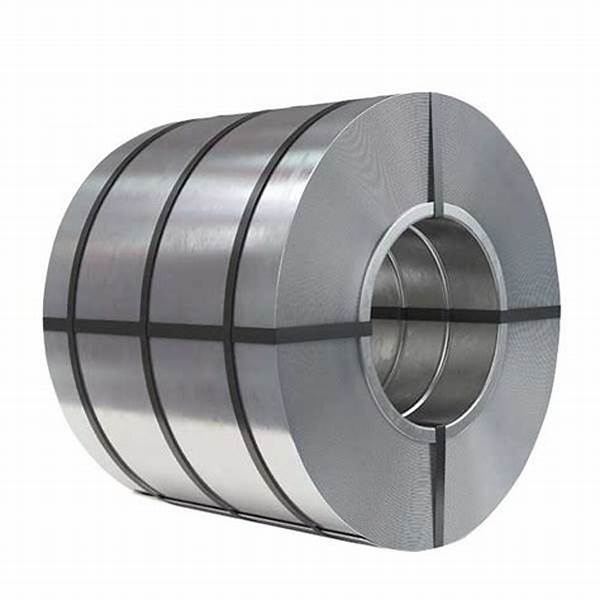
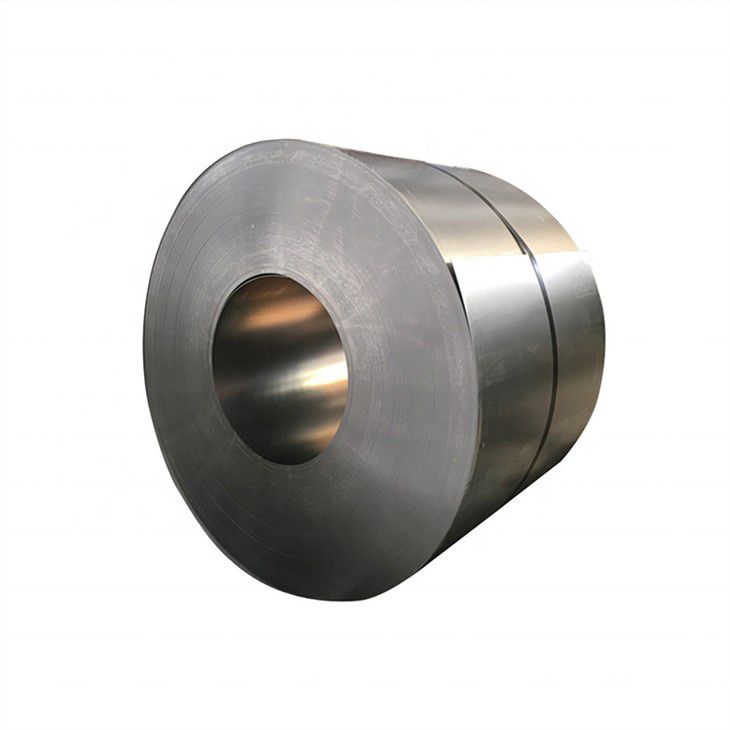
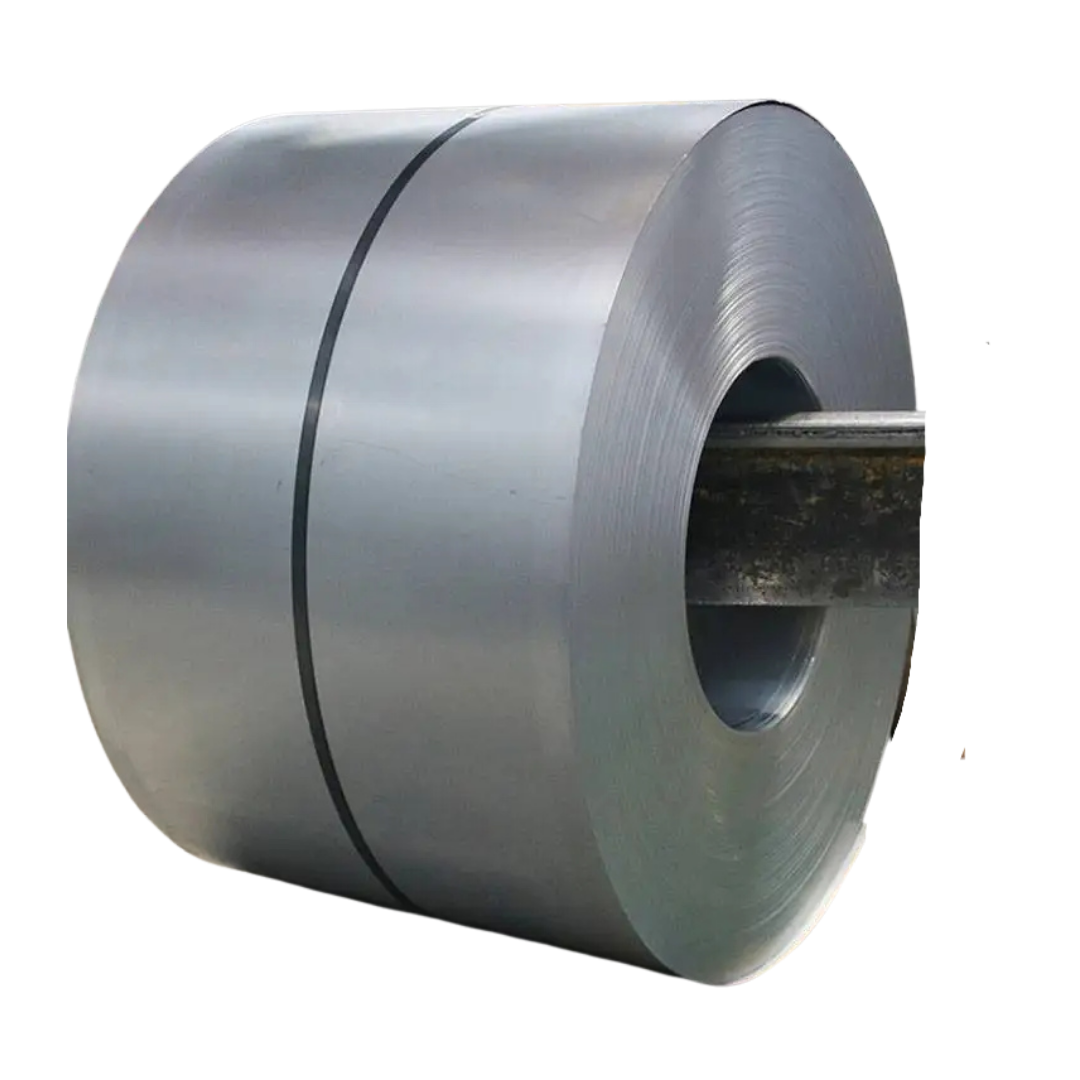
The answer to this question largely depends on the specific application and required properties of the steel coil. Hot-rolled steel coils are generally less expensive and more malleable, making them a popular choice for applications that do not require a visually appealing surface finish, such as structural components and pipelines. In contrast, cold-rolled steel coils are more expensive but offer superior surface quality and higher strength, making them ideal for applications that require a polished and refined finish, such as automotive and electrical parts.
Conclusion
In conclusion, hot-rolled and cold-rolled steel coils are two of the most popular production methods for creating steel coils. While both methods have their advantages and disadvantages, the choice between them largely depends on the specific application and required properties. In general, hot-rolled steel coils are more affordable and malleable, while cold-rolled steel coils offer superior surface quality and higher strength. Regardless of which method is used, steel coils remain a vital component in modern manufacturing, providing strength, durability, and versatility for a wide range of applications.