

2024-02-01
What Is The Difference Between Seamless and Welded Pipe
When it comes to industrial piping, one of the most important decisions is whether to use seamless or welded pipes. Both options have their advantages, but there are also some key differences to consider. In this article, we’ll explore the difference between seamless and welded pipes, specifically focusing on seamless steel pipes and the popular A106 Gr B seamless pipe.
Seamless Steel Pipe
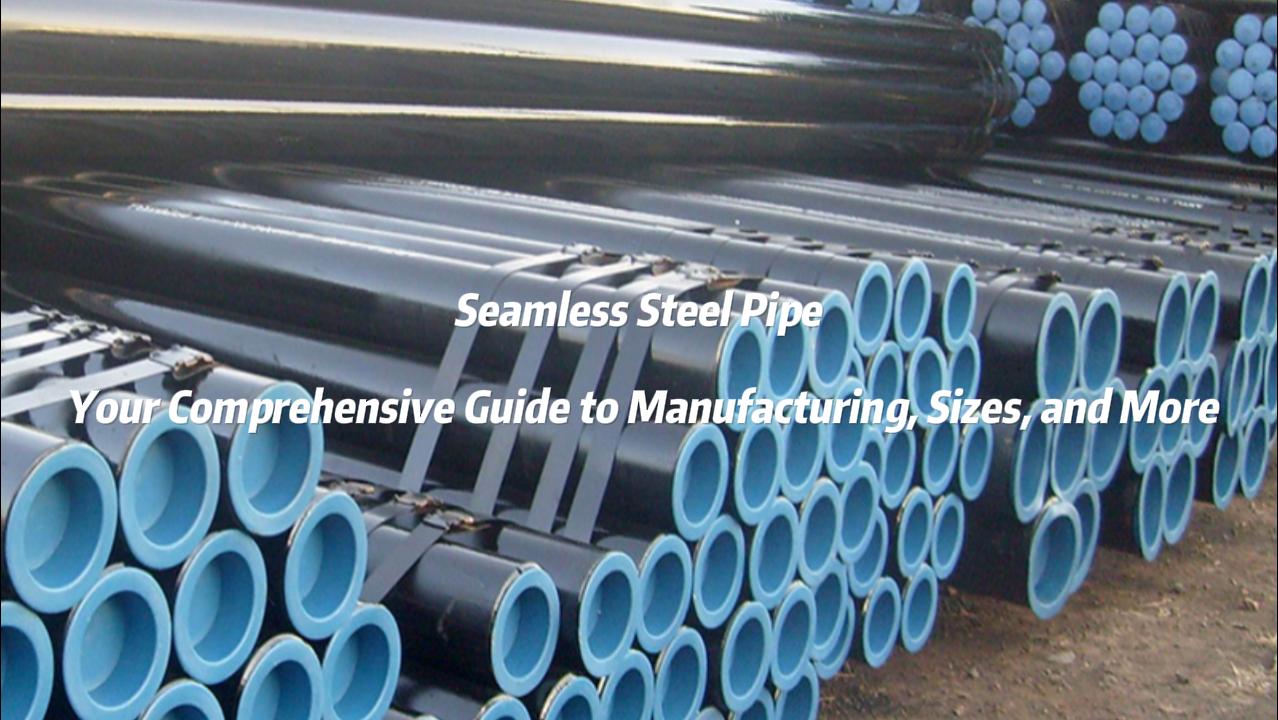
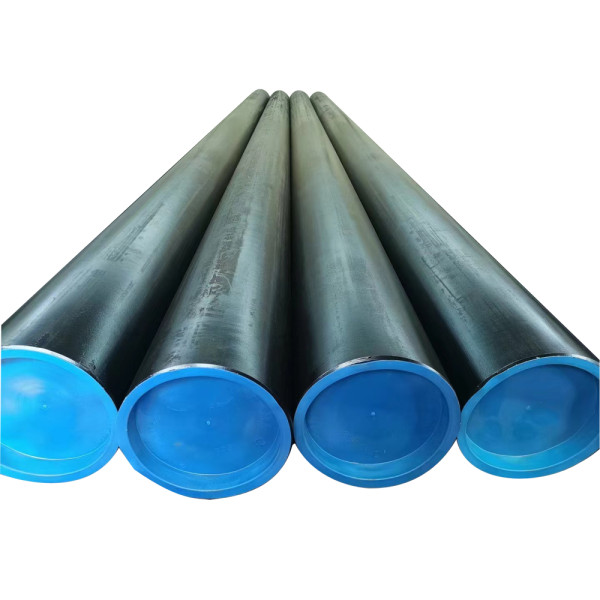
Seamless steel pipes are pipes that are made from a single piece of steel, without any welded seams. This type of pipe is created using a process known as extrusion, which involves pushing a hollow billet through a die to create the desired shape. The result is a pipe that is seamless and doesn’t have any weak points or joints that could be prone to failure.
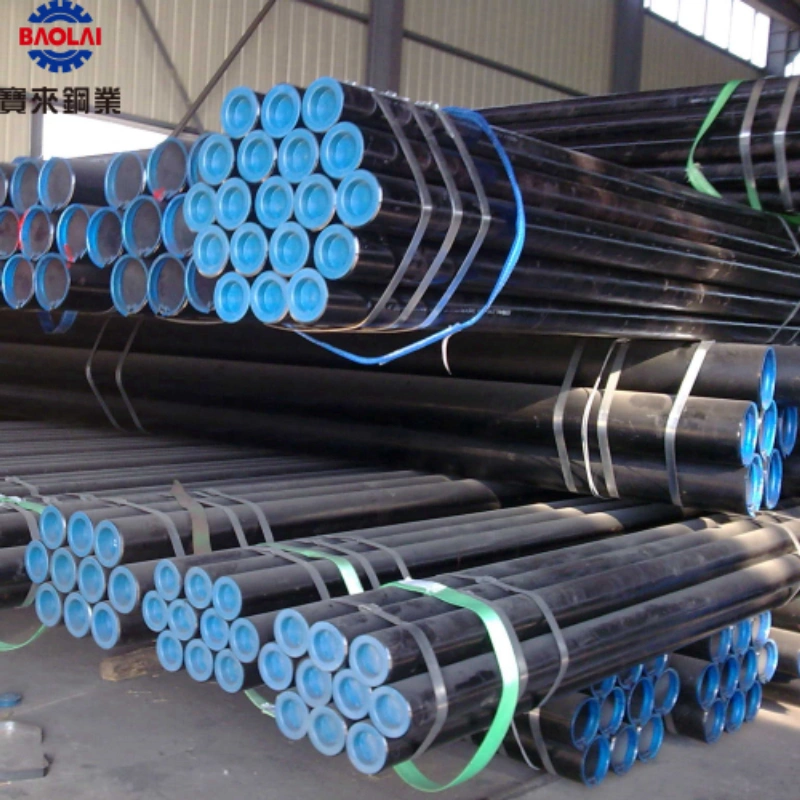
As a professional supplier of seamless pipes, Baolai sells seamless tubes in the following classifications: carbon steel seamless pipes, ss stainless seamless pipes, and boiler tubes.
A106 Gr B Seamless Pipe
The A106 Gr B seamless pipe is a specific type of seamless steel pipe that is commonly used in high-temperature applications such as power plants, refineries, and boilers. It is made to ASTM A106 standards, which specify the materials, dimensions, and properties of the pipe. This type of pipe is designed to withstand high-pressure and high-temperature environments, making it an ideal choice for many industrial applications.
Key Differences Between Seamless and Welded Pipes
1. Strength and Durability

One of the biggest advantages of seamless pipes is their strength and durability. Because they are made from a single piece of steel, seamless pipes have a uniform strength throughout the entire length of the pipe. In contrast, welded pipes have weaker spots at the welded seams, which can be a potential weak point.
2. Cost
Seamless pipes are typically more expensive than welded pipes, due to the manufacturing process and the higher quality of the end product. However, in high-pressure and high-temperature applications, the added strength and durability of seamless pipes can make them worth the extra cost.
3. Manufacturing Process
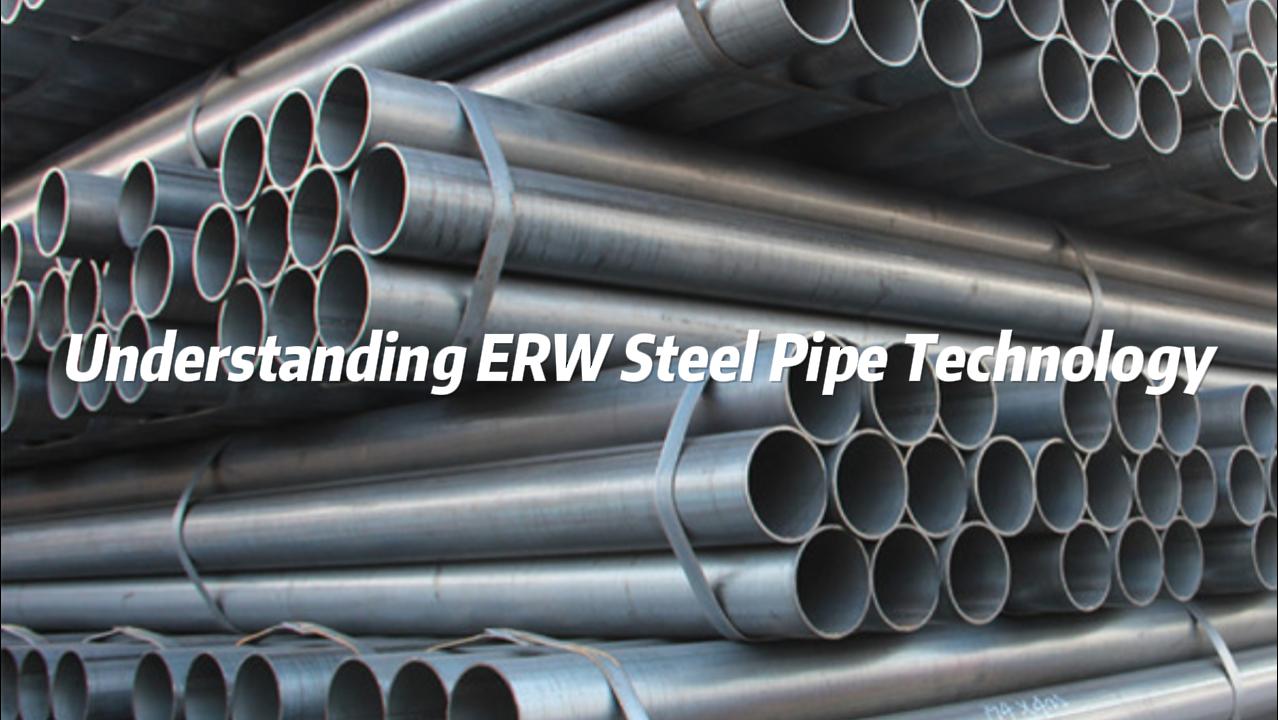
Seamless pipes are made through a process known as extrusion, which involves pushing a hollow billet through a die to create the desired shape. This process results in a pipe with a smooth interior and exterior surface, which is ideal for high-pressure applications. Welded pipes, on the other hand, are made by bending and welding a sheet of steel, resulting in a visible welded seam.
4. Availability
Seamless pipes are not as readily available as welded pipes, due to the more complex manufacturing process. This can sometimes result in longer lead times and higher costs for seamless pipes.
In summary, the choice between seamless and welded pipes ultimately comes down to the specific needs of the application. Seamless pipes offer superior strength and durability, but are more expensive and less readily available than welded pipes. If you’re in need of a high-pressure and high-temperature pipe, the A106 Gr B seamless pipe is an excellent choice that is specifically designed for these types of applications. Baolai is also your best choice for one-stop purchase for seamless pipes.