

2024-07-17
Which pipe is used in fire fighting
When it comes to designing a fire fighting system, one of the most critical components to consider is the pipes that will be used to transport water or other extinguishing agents to the site of a fire. In this article, we will provide an overview of the different types of pipes that are commonly used in fire fighting systems, as well as factors to consider when selecting the appropriate size for fire fighting pipes.
Types of Pipes Used in Fire Fighting Systems
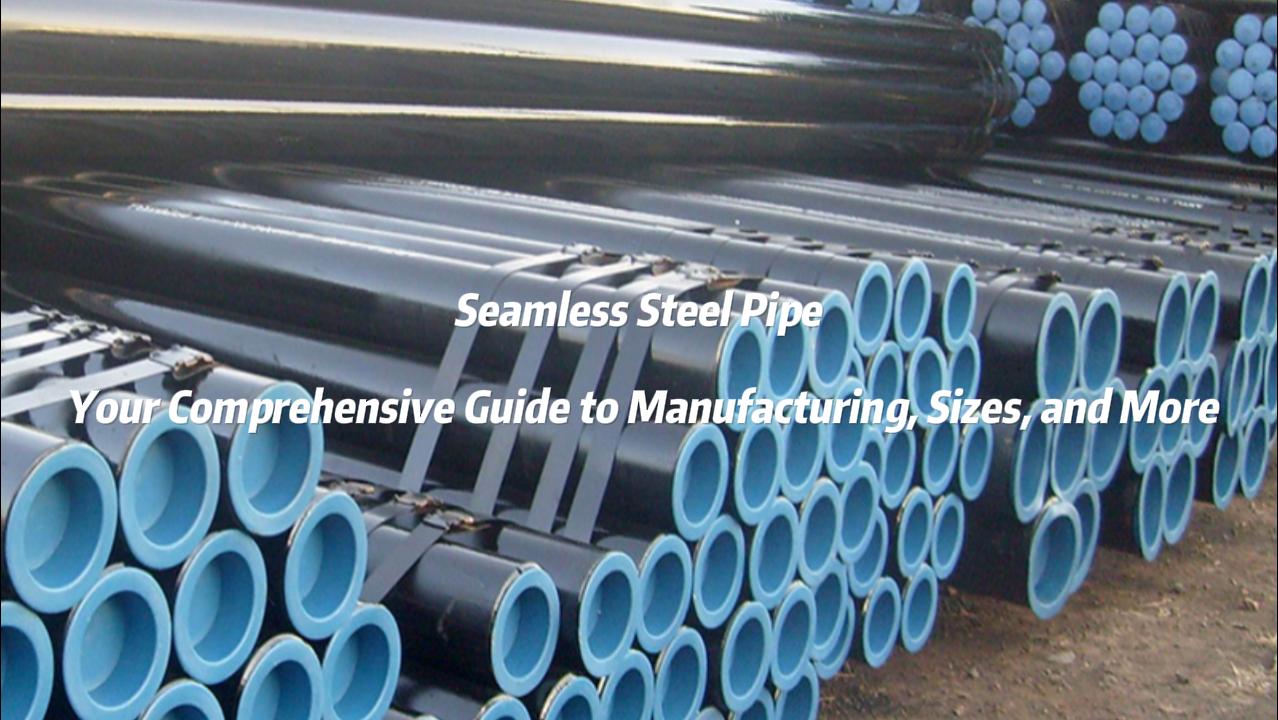
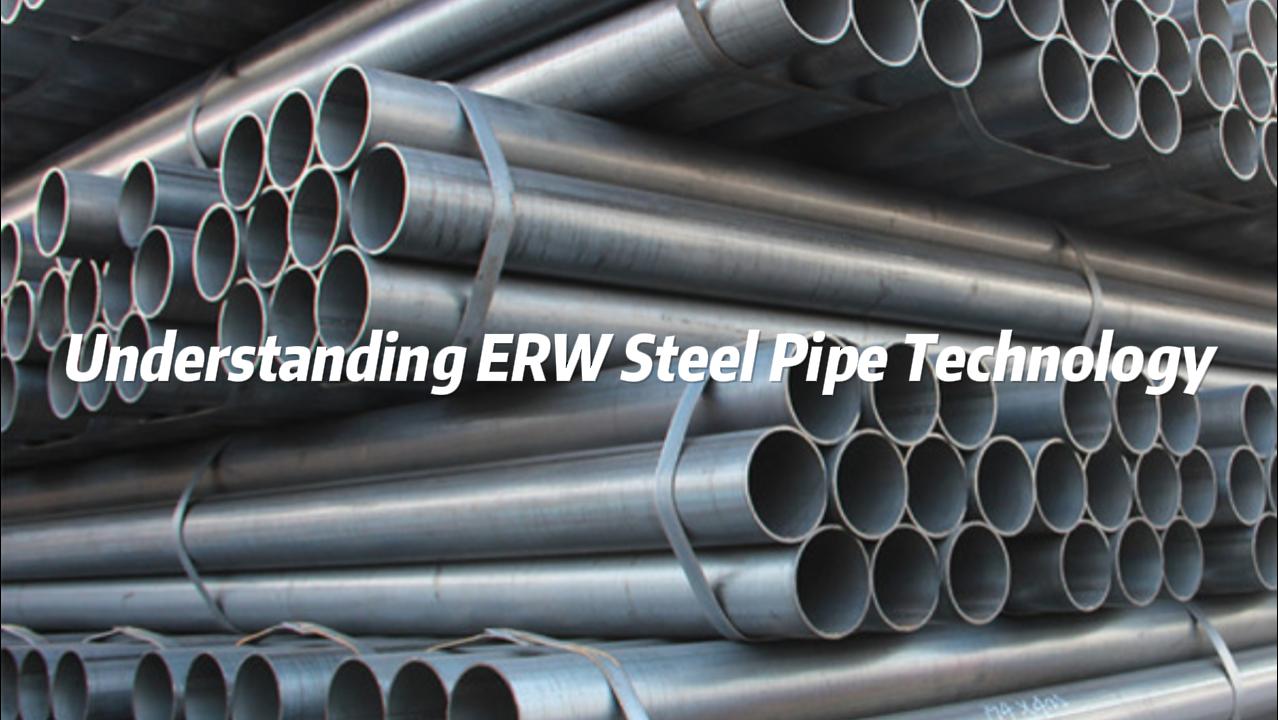
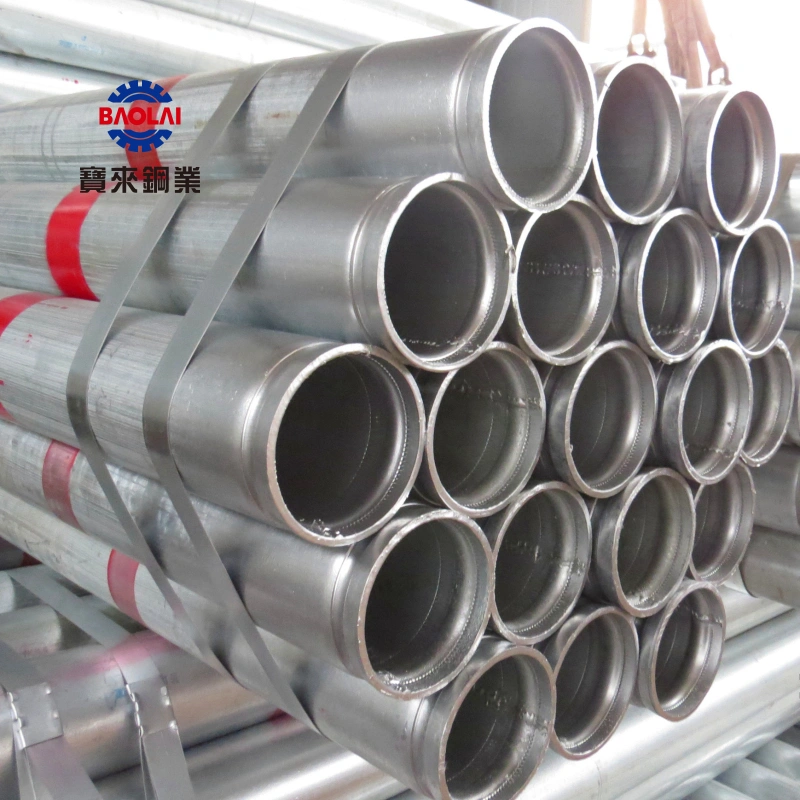
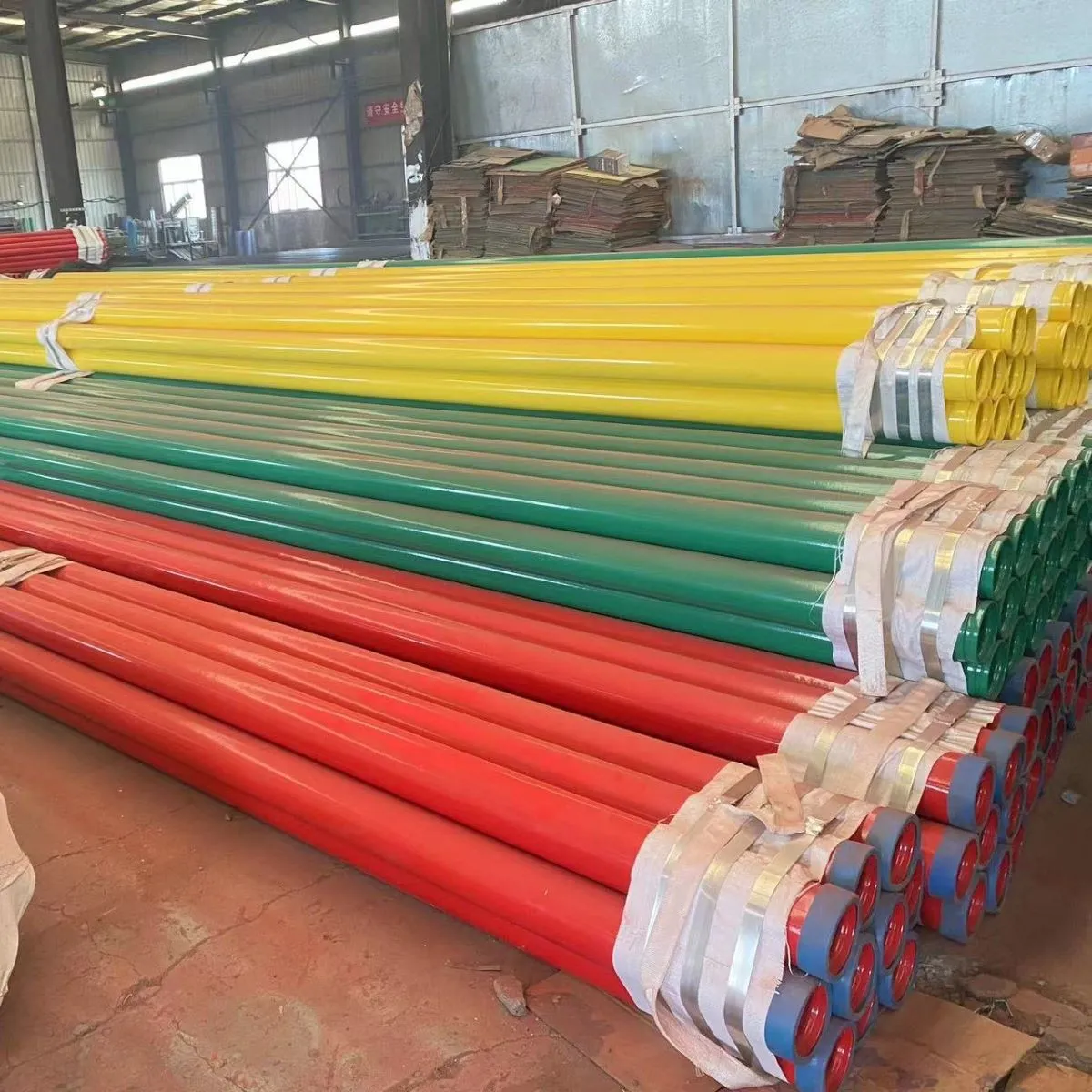
The two main types of pipes used in fire fighting systems are steel and plastic pipes. Steel pipes have been used in fire fighting systems for many years and are often preferred for their durability and strength. In addition, steel pipes are resistant to high temperatures and can withstand the extreme pressure that is required to pump water long distances.
However, plastic pipes have become increasingly popular in recent years, particularly as a result of their flexibility and ease of installation. Plastic pipes are much lighter than steel pipes, which makes them easier to handle and transport. Additionally, plastic pipes are resistant to corrosion and chemicals, and they are less expensive than steel pipes.
Another factor to consider when selecting pipes for a fire fighting system is the size of the pipes. The size of the pipes will determine how effectively water can be transported to the site of a fire, and it is important to choose the appropriate size for the specific needs of your system.
Types of Pipes Used in Fire Fighting Systems
The two main types of pipes used in fire fighting systems are steel and plastic pipes. Steel pipes have been used in fire fighting systems for many years and are often preferred for their durability and strength. In addition, steel pipes are resistant to high temperatures and can withstand the extreme pressure that is required to pump water long distances.
However, plastic pipes have become increasingly popular in recent years, particularly as a result of their flexibility and ease of installation. Plastic pipes are much lighter than steel pipes, which makes them easier to handle and transport. Additionally, plastic pipes are resistant to corrosion and chemicals, and they are less expensive than steel pipes.
Another factor to consider when selecting pipes for a fire fighting system is the size of the pipes. The size of the pipes will determine how effectively water can be transported to the site of a fire, and it is important to choose the appropriate size for the specific needs of your system.
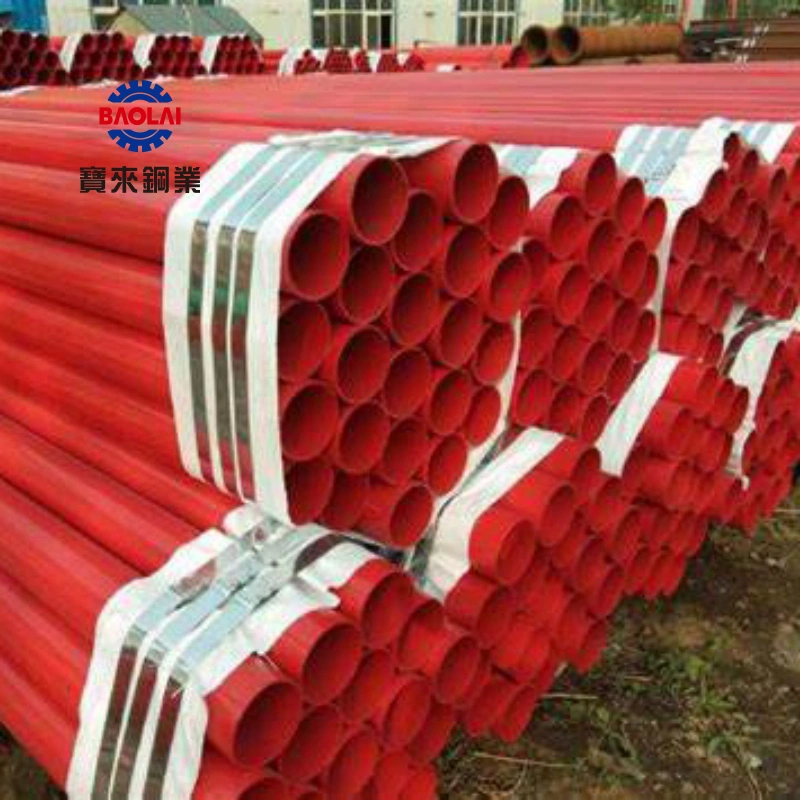
Fire Fighting Pipe Size
The size of pipes used in fire fighting systems is typically measured in terms of its diameter. The most common sizes of pipes used in fire fighting systems range from 1 inch to 8 inches in diameter. The diameter of the pipe will determine how quickly water can be delivered to the area of the fire, and it is important to select the appropriate size of pipe to ensure that the system is effective.

Factors to Consider When Selecting the Size of Pipes
There are several factors that should be considered when selecting the appropriate size of pipes for a fire fighting system. One of the most important factors is the overall size and complexity of the system. Larger systems may require larger diameter pipes to deliver water to the site of the fire quickly and efficiently. Additionally, the distance that the water must travel from the source to the fire will also be a factor to consider when selecting the appropriate size of pipes.
Another important factor to consider is the type of fire fighting agent that will be used in the system. Different types of extinguishing agents require different amounts of water to be effective, and the size of the pipes must be able to deliver the required amount of water to the site of the fire.
Selecting the appropriate size and type of pipes for a fire fighting system is essential to ensuring that the system is effective in the event of a fire. Whether you choose steel or plastic pipes, it is important to consider the specific needs of your system and to select the appropriate size of pipe to ensure that water can be delivered to the site of the fire quickly and efficiently. By taking these factors into account, you can help ensure the safety of your building and its occupants in the event of a fire.